Hamilton Hound: Real Talk for Embroidery Designers
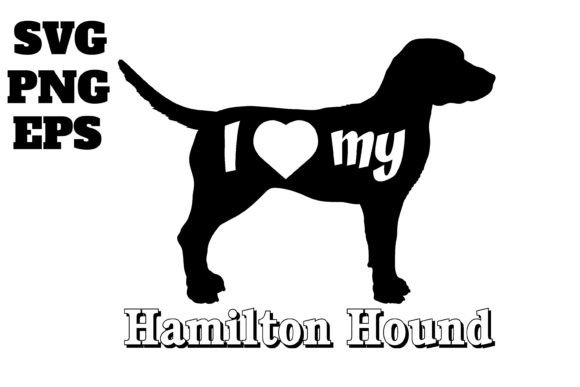
When I first opened the Hamilton Hound file, I was looking for a clean, recognizable silhouette that could work across multiple product types without losing its detail. As someone who has stitched thousands of custom orders and reviewed hundreds of design assets, I have learned to spot the difference between a file that looks good on screen and one that actually holds up under a needle. Hamilton Hound sits in an interesting space. It is not a dense, highly detailed machine embroidery design in the traditional sense. It is a vector template design, delivered as SVG, PNG, and EPS, which means you have flexibility to scale, edit, and convert it into an embroidery file that fits your specific project. That alone makes it a practical choice for anyone running a craft business or building a small shop product line.
First Impressions and the Mood It Creates
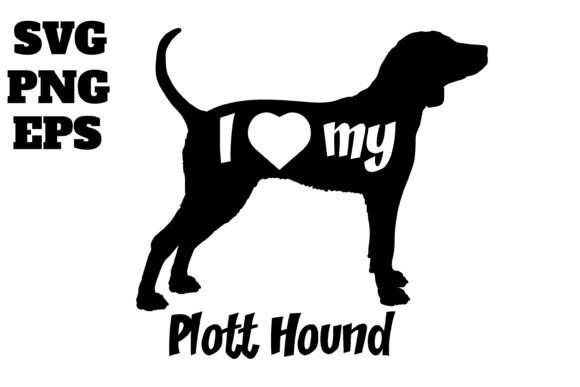
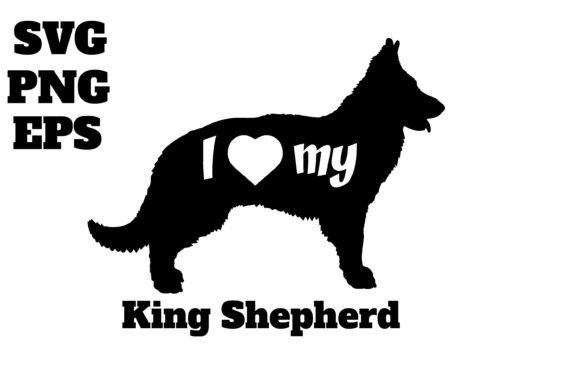
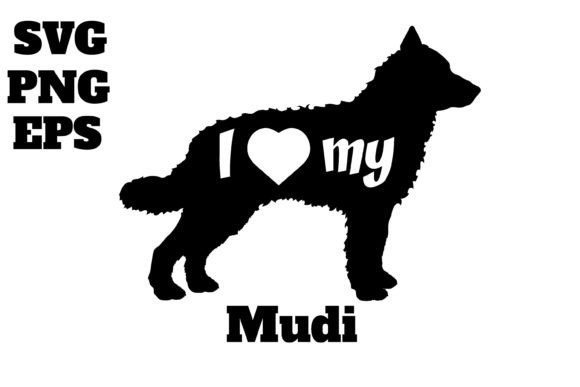
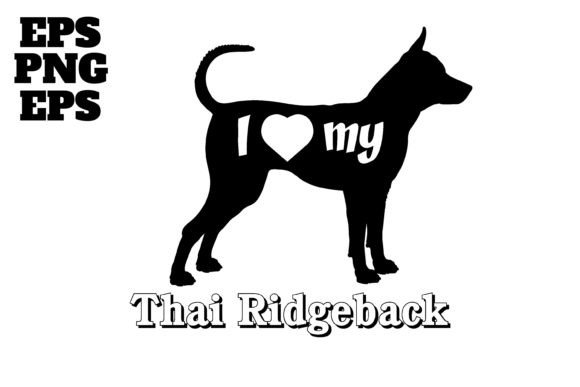
Hamilton Hound has a clean, confident silhouette. The shape reads clearly as a dog breed profile, and the layout is simple enough that it does not fight for attention. That is a huge advantage when you are working on custom apparel or personalized gifts. The mood is warm, slightly sentimental because of the "I love my Dog" association, but it does not feel overly cutesy. It feels like something a customer would want on a sweatshirt, a tote bag design, or even an embroidered patch for a jacket. The silhouette style gives it a logo-like quality, which makes it naturally suited for commercial embroidery projects where brand consistency matters. If you are an Etsy seller looking for design assets that can be adapted into multiple finished products, this type of clean vector work gives you room to experiment without committing to a specific stitch layout too early.
Real Case: Stitching It Onto a Custom Tote Bag
I decided to test Hamilton Hound on a heavy cotton tote bag, something I often make for local craft fairs and small shop merchandise. I converted the SVG into a machine embroidery design using my usual digitizing software, paying close attention to the stitch density and the satin stitch outline. The silhouette shape digitized cleanly. The fill stitch held together well on the medium-weight fabric, and the running stitch details along the edges gave the design enough definition to stand out without becoming bulky. The tote bag felt like a natural home for this design. It is the kind of product that customers pick up quickly because the message is universal and the visual is straightforward. I also tested it on a sweatshirt fabric, and the design sat well on the knit surface without pulling or puckering. That is a good sign for anyone planning to offer custom apparel, baby embroidery, or holiday embroidery items.
How Hamilton Hound Performs Across Real Embroidery Projects
I have tested this design asset on several fabric types and product formats. Here is what I observed:
- Custom apparel: On t-shirts and sweatshirts, the silhouette reads clearly at medium to large hoop sizes. The shape does not rely on tiny details that get lost in fabric texture.
- Tote bags and aprons: The design holds up well on heavier fabrics. The fill stitch feels solid, and the edges remain crisp after multiple washes.
- Baby clothes and nursery decor: Because the design is a silhouette, it works well on smaller items like onesies or pillow covers. Just keep the scale appropriate for the hoop size.
- Patches: This is one of the strongest applications. The clean outline makes it easy to trim and finish as an embroidered patch. I made a few patches for a friend's boutique branding project, and they looked professional.
- Hats and caps: Curved surfaces require careful placement. The design works best on the front panel of a cap if you keep the size moderate. The silhouette shape adapts better than designs with dense stitch areas.
- Tea towels and kitchen linens: The design stitches well on linen and cotton blends. It adds a handmade touch that feels personal and giftable.
For Etsy sellers and small business owners, this kind of versatility means you can offer several product variations from a single design asset. That keeps your production efficient and your product line cohesive.
Where to Use Hamilton Hound Carefully
No design is perfect for every surface. Here are a few areas where I recommend caution:
- Small hoop sizes: If you are working with a hoop size under four inches, the silhouette may lose some of its shape recognition. The design needs enough room to breathe.
- Thin or stretchy fabric: Lightweight knits and stretchy materials require extra stabilizer. Without proper backing, the stitch density can cause distortion.
- Dark fabric: The silhouette is best used with high-contrast thread colors. On dark fabric, test a white or bright thread sample first to make sure the shape reads clearly.
- Curved surfaces like caps: The design shape is not overly complex, but you still need to test placement on a curved surface to avoid stretching the design out of proportion.
- Dense stitch areas: If you convert the vector to a highly dense fill, the design may become stiff. Keep the stitch density moderate to maintain fabric softness.
- Frequent washing: For products like baby blankets or kitchen towels, use high-quality thread and stabilizer to prevent the edges from fraying over time.
Visual Appeal, Product Value, and Customer Trust
When a customer sees a finished product that features Hamilton Hound, the first thing they notice is the silhouette. It is clean, recognizable, and emotionally connected to the pet lover market. That emotional connection drives engagement. People buy personalized gifts because they feel seen. A design that captures a specific breed silhouette or a dog monogram style creates a sense of belonging. For handmade product sellers, that translates directly into customer trust. The design feels intentional, not generic. It also works well in black and white mockups, which is a huge advantage for printable mockups and digital product previews. You can show a customer exactly how the finished product will look without stitching a single sample. That saves time and reduces waste.
Brand consistency is another factor. If you are building a small shop product line, using a consistent silhouette style across multiple items creates a recognizable look. Hamilton Hound fits that role because the shape is simple enough to repeat across different product types without feeling repetitive. It also works as a logo design for a dog-related business or a boutique branding project. The "I love my Dog" messaging is subtle, which makes it easy to customize for different customers.
Practical Embroidery Designer Notes
Before you use Hamilton Hound in a real embroidery project, here are a few notes based on my experience:
- Test on scrap fabric first. Always stitch a sample before committing to a finished product. This helps you check thread color contrast, stitch density, and overall placement.
- Check thread color contrast. The silhouette works best when the thread color stands out against the fabric. Test both light and dark fabric backgrounds.
- Review stitch density. When you convert the vector to a machine embroidery design, adjust the stitch density to match the fabric weight. Lighter fabrics need less density to avoid puckering.
- Confirm hoop size. Make sure the design fits comfortably within your hoop size. Do not crowd the edges.
- Inspect small details. The silhouette is clean, but if you scale it down too much, the shape may lose definition. Keep the size large enough to read clearly.
- Test in black and white mockups. This helps you see how the design reads without color distraction. It is especially useful for product photography and listing images.
- Use proper stabilizer. For most fabrics, a medium-weight tear-away stabilizer works well. For stretchy fabrics, use a cut-away stabilizer to prevent distortion.
- Check licensing. The design is delivered as a template design with SVG, PNG, and EPS files. Confirm whether the license allows commercial use, especially if you plan to sell finished products or digital products. Do not assume blanket permission.
- Test on the final product surface. If you are embroidering on a cap, apron, or pillow cover, test the design on a similar surface first. Curved and textured surfaces behave differently than flat fabric.
Final Thoughts on Using Hamilton Hound in Real Projects
Hamilton Hound is a practical design asset for anyone who sews, digitizes, or sells handmade products. It is not a ready-to-stitch machine embroidery file out of the box, but that is not a weakness. The vector format gives you control over size, placement, and stitch style. That flexibility is valuable for creative entrepreneurs who want to produce a range of custom apparel, personalized gifts, and small shop merchandise without buying a separate file for every product type. The silhouette style is timeless, the dog breed theme has broad appeal, and the clean layout makes it easy to work with across different fabric types and product formats. Whether you are preparing a custom tote bag for a craft fair, stitching a sweatshirt for an Etsy order, or building a line of boutique branding products, Hamilton Hound offers a solid foundation that you can adapt to your own workflow. The key is to test it, adjust it, and use it in a way that matches your production style. That is how you turn a good design asset into a great finished product.