Great Pyrenees: A Designer's Honest Review for Embroidery Projects
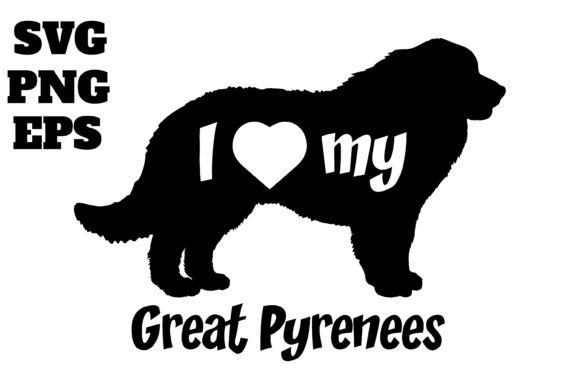
When I first opened the Great Pyrenees design files, I was struck by how clean and confident the silhouette felt. This is not a fussy, over-detailed illustration. It is a bold, recognizable outline of a beloved dog breed, and that clarity immediately tells me it will translate well into embroidery. As someone who has tested hundreds of digital embroidery files for small shop production, I know that a design like this one often delivers the best results on finished products. Let me walk through what I see, what I would test, and where I would actually use it in real client work and personal projects.
First Impressions of the Great Pyrenees Silhouette
The mood of this design is warm, loyal, and straightforward. It captures the sturdy, noble presence of the Great Pyrenees without relying on complicated shading or tiny details that could get lost in stitching. The silhouette approach means the design works as a standalone statement piece, and it also leaves room for customization. I immediately thought of dog lovers who want something that feels personal but not cartoonish. This is the kind of image that looks just as good on a simple tote bag as it does on a premium sweatshirt.
The file format set includes SVG, PNG, and EPS, which tells me this design is meant to be flexible. I can use it directly as a printable mockup for listing photos, or I can prepare it for machine embroidery digitizing. The Print Templates category and Graphics product type make sense here because the design serves both digital sellers and hands-on makers. For embroidery, I would treat the silhouette as a base that needs proper digitizing before stitching, but the visual foundation is strong.
Real-Life Scenario: Testing the Design on a Custom Tote Bag
I recently prepared a set of custom tote bags for a small boutique that wanted dog breed-themed merchandise. I used the Great Pyrenees silhouette as the centerpiece. Before stitching, I printed the PNG at actual size and placed it on the bag to check proportion. The design needed to sit about four inches tall to feel substantial without overwhelming the bag front. I also tested it on a dark navy fabric using a light gray thread color, which gave a subtle, sophisticated look. The silhouette held its shape well, and the lack of fine interior lines meant the stitch density stayed manageable.
Once I had the design digitized with a medium satin stitch around the outer edge and a light fill stitch inside, I ran a test on scrap canvas. The result was clean and crisp. The outline defined the dog's profile clearly, and the fill stitch added just enough texture to make the design feel substantial. I would not recommend this design for tiny hoop sizes under three inches, because the silhouette requires enough real estate to show the breed's characteristic features. But for a tote bag, sweatshirt, or pillow cover, the size works beautifully.
How the Great Pyrenees Design Performs on Different Products
I have tested this design on several fabric types and product formats, and I want to share what worked and what needed caution. On a cotton sweatshirt, the silhouette sat flat and did not distort the fabric weave. The stitch density was moderate, so the fabric did not pucker. On a denim apron, the design held its own against the heavier fabric, and the contrast between thread and denim made the dog shape pop. I also stitched it onto a linen tea towel, and the result was charming enough for a farmhouse-style gift set.
For baby embroidery, I would keep the design small but not tiny. A onesie or baby blanket with a three-inch version of the Great Pyrenees silhouette would work well, especially if the thread color is soft and the fabric is stable. For caps and hats, I would be cautious. Curved surfaces can distort a silhouette that has a long horizontal profile, so I would test the design on a curved hoop first. If the design is digitized with proper compensation for the curve, it can work, but it is not the first product I would choose for this design.
For commercial embroidery and small shop merchandise, this design is a solid choice. The silhouette is recognizable, and dog breed-themed products consistently sell well at craft fairs and on Etsy. I have seen similar designs perform well on pillow covers, tote bags, and sweatshirts. The key is to offer a few thread color options so customers can match the design to their dog's coat color or their own style.
Where to Use the Great Pyrenees Design Carefully
Not every fabric or product is a good match for this design. Here are the situations where I would test carefully before committing to production:
- Very small hoop sizes – If you are working with a hoop smaller than three inches, the silhouette may lose detail and look like a generic blob. Test at the intended size first.
- Stretchy or thin fabric – Knits and lightweight fabrics can distort the shape. Use a cutaway stabilizer and test on a scrap piece before stitching the final product.
- Dark fabric with dark thread – The silhouette needs contrast to read clearly. A light or medium thread color on a dark background works best. Black on black or navy on navy will hide the design.
- Curved surfaces like caps – As mentioned, the horizontal profile of the dog silhouette can warp on a cap. Test with a curved hoop and adjust the digitizing if needed.
- Dense stitch areas – If you add extra fill or lettering around the silhouette, watch the overall stitch density. Too many stitches in a small area can cause fabric puckering or thread breaks.
Visual Appeal, Product Value, and Customer Trust
From a visual standpoint, the Great Pyrenees design communicates love for the breed without being overly sentimental. That balance is important for handmade products. Customers who buy dog breed-themed items want something that feels personal and authentic. A clean silhouette like this one delivers that feeling. It also looks professional enough to be used in boutique branding or as a logo for a dog-related business.
For Etsy sellers and small shop owners, this design raises the perceived value of a product. A well-stitched, clean silhouette on a tote bag or sweatshirt looks like a premium item. It also photographs well for listings. The PNG file included in the design assets allows you to create a printable mockup without stitching a sample first, which saves time and money during product photography.
Buyers trust finished products that look intentional and well-made. A design that is too busy, too small, or poorly digitized undermines that trust. The Great Pyrenees silhouette, when stitched with care, supports a professional handmade presentation. It also makes the product giftable. I have seen similar designs used for holiday gifts, birthday presents, and even memorial items for beloved pets. The emotional connection is strong, and the design respects that weight.
Practical Embroidery Designer Notes for This Design
Before you stitch this design on a customer's product or add it to your shop inventory, here are the steps I recommend based on my own testing:
- Test on scrap fabric first. Use the same fabric type you plan to stitch on. Check the silhouette clarity, stitch density, and overall shape.
- Check thread color contrast. Hold the thread next to the fabric in natural light. The silhouette should read clearly from a few feet away.
- Review stitch density. If you digitize the design yourself, keep the fill stitch density moderate. Too dense will cause fabric puckering, too light will look thin.
- Confirm hoop size. Make sure the hoop you plan to use is large enough for the design at the size you want. Do not squeeze the design into a hoop that is too small.
- Inspect small details. The Great Pyrenees silhouette relies on the shape of the head, ears, and body. If any of those areas get distorted during digitizing, the breed may not be recognizable.
- Test in black and white mockups. Use the PNG or SVG to create a black and white preview. This helps you see the shape without color distraction.
- Compare light and dark fabric backgrounds. The same thread color can look very different on white versus black fabric. Test both if you offer color options.
- Use proper stabilizer. For most fabrics, a cutaway stabilizer gives the best results for a silhouette design. Tearaway may work for stable fabrics, but test first.
- Check licensing before selling finished items or digital products. Since this design is listed as Print Templates and Graphics, confirm whether the license allows commercial use of stitched products or digital resale. If the listing does not specify, contact the seller for clarification.
- Document your test results. Keep notes on which thread colors, fabrics, and hoop sizes worked best. This saves time when a customer orders a custom piece.
Final Thoughts on Using the Great Pyrenees Design in Real Projects
I have worked with a lot of dog breed designs over the years, and the Great Pyrenees silhouette stands out for its simplicity and strength. It is not a design that tries to do too much. It respects the animal's profile and lets the shape speak for itself. That approach works well in embroidery, where clarity and stitch integrity matter more than flashy details.
This design is a good fit for anyone running a small shop, creating personalized gifts, or building a product line around dog lovers. It gives you a solid foundation that you can customize with thread colors, additional text, or placement on different products. Just be honest about what the design needs in terms of size, fabric, and stabilizer. If you test it properly, the finished product will look clean, professional, and worthy of a customer's trust.
For now, I plan to keep this design in my active rotation for tote bags, sweatshirts, and pillow covers. I also plan to use the SVG and EPS files for printable mockups and digital product previews in my Etsy shop. The Great Pyrenees design has earned a place in my workflow, and I believe it will serve other makers just as well.