Norrbottenspets: A Designer's Honest Review for Embroidery Projects
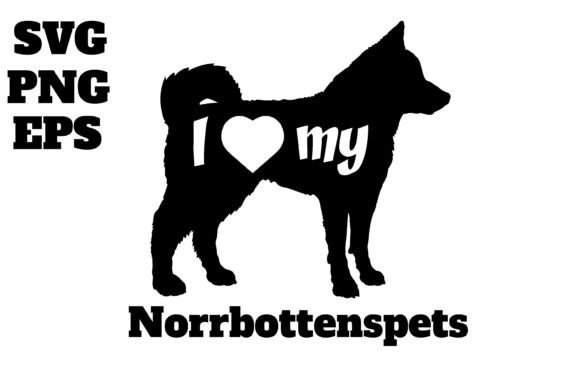
When you first open the Norrbottenspets design file, the immediate impression is clean and purposeful. This is not a fussy, overdetailed illustration. It is a silhouette-style representation of the Norrbottenspets breed, built around a strong outline and a sense of quiet dignity. The shape reads instantly as a spitz-type dog—alert ears, a curled tail, a compact body. There is no background clutter, no decorative swirls competing for attention. The design relies on the pure form of the dog, and that restraint is exactly what makes it useful for real embroidery work. As someone who has sewn out hundreds of animal designs over the years, I can tell you right away: this one wants to be seen from a distance. It does not whisper. It stands on the chest of a sweatshirt, on the front of a tote bag, or centered on a patch with confidence. The mood is loyal, handsome, and understated. It feels like a tribute, not a novelty.
First Look: What the Shape and Theme Tell You
The Norrbottenspets design carries the visual language of a logo. The silhouette is compact, with the dog's profile facing forward or slightly to the side depending on the file variant. The ears are erect, the muzzle is refined, and the tail curls over the back in that classic spitz silhouette. This is not a fluffy, cartoonish pet portrait. It is a breed-specific outline that owners of Norrbottenspets will recognize immediately. The detail level sits in a sweet spot for embroidery—enough shape information to read clearly at a glance, but not so many internal cutouts or tiny features that the design becomes a thread management nightmare. If you are a small shop owner or an Etsy seller looking to offer personalized gifts for dog owners, this design gives you a professional starting point. It feels intentional, like a badge or a crest rather than a clip-art insert.
Real Use Case: Preparing a Custom Embroidered Sweatshirt
Let me walk through a typical scenario so you can see how this design would behave outside the digital preview. Imagine a customer orders a custom embroidered sweatshirt featuring their Norrbottenspets. You have the design loaded, you have chosen a cream-colored sweatshirt, and you are testing thread colors. The silhouette is, by nature, a single-color or limited-color design. You could stitch it in a deep charcoal thread on a light fabric, or in a bright orange for a more modern look. The first thing I do with any silhouette design is test it on scrap fabric to confirm that the outline stitches smoothly and that the shape retains its proportions after pulling. With the Norrbottenspets design, the outline is clean enough that you do not need constant adjustments. The satin stitch or fill stitch around the edge behaves predictably as long as your stabilizer is right. For a sweatshirt, I would use a medium-weight cutaway stabilizer and a 60/90 needle. The design digitized well—no abrupt direction changes, no overly long stitches that could snag. The result is a finished product that looks like a premium embroidered emblem, not a rushed decal.
Where This Design Performs Best
- Custom apparel: Sweatshirts, t-shirts, hoodies, and jackets. The silhouette format works especially well on chest or sleeve placements.
- Tote bags: Cotton or canvas totes benefit from the bold shape. It reads clearly against natural fabrics and holds up to repeated use.
- Embroidered patches: If you sew patches for local pet stores or breed meetups, this design finishes neatly with a merrowed or heat-sealed edge.
- Baby and children's clothing: The gentle, loyal expression of the breed makes it appropriate for onesies or small shirts when scaled down appropriately.
- Personalized gifts: Holiday gifts, birthday presents, or memorial keepsakes for dog owners. The silhouette style feels timeless and respectful.
- Digital product previews: As a Graphics asset in the Print Templates category, the SVG and PNG files allow you to create clean mockups for your Etsy listings or craft business website without stitching every sample.
Where to Use Care and Caution
No design is perfect for every surface, and the Norrbottenspets silhouette has a few boundaries worth noting. First, small hoop sizes can be a problem if you try to stitch the design on a baby cap or a sleeve cuff. The silhouette needs enough space for the tail and ears to register clearly. If you shrink it below two inches in width, the shape can become muddy. Second, textured fabrics like fleece or thick sweater knits can distort the outline, especially if the stitch density is high. I always recommend testing a sample on the actual fabric before promising a finished product. Third, stretchy fabrics such as lightweight jersey or ribbed knits require extra stabilizer and possibly a tear-away or wash-away layer to prevent the design from puckering. Fourth, on dark fabric, make sure your thread color has enough contrast. A black silhouette on a navy sweatshirt will disappear. Consider a lighter thread or a small accent stitch to define the shape. Finally, if you are layering the design on a curved surface like a cap front, the silhouette's clean edges help it conform better than a dense fill design, but you will still need to adjust the hoop angle and stabilize carefully.
Visual Appeal, Stitching Clarity, and Product Value
The moment a customer sees a finished product with the Norrbottenspets design, they register quality. The silhouette format communicates that you took the time to select a breed-specific shape, not a generic dog outline. That attention to detail builds trust. When the stitching is clean—no gaps, no puckering, no thread breaks—the product looks like something from a boutique, not a home hobby setup. For small shop owners, this translates directly to customer satisfaction and repeat business. The design also works well for branding. If you create a line of embroidered merchandise for a local dog club or breed rescue, the consistent silhouette becomes a recognizable mark. On the digital side, having the design in vector formats (SVG and EPS) means you can produce printable mockups for your online store without stitching each variation. That saves time and lets you test color combinations before committing to thread. The PNG file is useful for quick previews on social media or in listing photos.
Practical Embroidery Designer Notes
- Test on scrap fabric first. Always. The silhouette may look simple, but thread tension and stabilizer choice affect the final result.
- Check thread color contrast. Hold your thread against the fabric in natural light. A silhouette design lives or dies by its contrast.
- Review stitch density. If the design feels overly dense in the preview, consider reducing the fill or switching to a running stitch outline for a lighter effect.
- Confirm hoop size. Before you start, make sure the design fits comfortably in your hoop with room for the stabilizer and fabric layers.
- Inspect small details. The ears and tail are the most recognizable features of the Norrbottenspets. Make sure those areas stitch clearly without distortion.
- Test in black and white mockups. A grayscale preview helps you see whether the shape reads as a solid object or if it needs more internal definition.
- Compare light and dark fabric backgrounds. The same thread color can look drastically different on white versus black fabric. Test both.
- Use proper stabilizer. For most apparel, a medium-weight cutaway stabilizer gives the best balance of stability and softness.
- Check licensing. Before you sell finished products or include the design in a digital product bundle, confirm the terms for commercial use. The product description does not specify license details, so contact the seller or review the listing carefully. This step protects your business.
How the Design Affects Customer Trust and Brand Consistency
When you offer embroidered products featuring breed-specific designs like Norrbottenspets, you signal to the customer that you understand their niche. Dog owners are passionate about their breed. They notice when the ears are wrong or the tail shape is off. This design gets the proportions right, which means your finished product will be received as authentic and respectful. That emotional connection drives engagement. A customer who buys a custom sweatshirt with their dog's breed is likely to share it on social media, tag your shop, or return for other breed-related items. From a business perspective, that organic reach is invaluable. The design also holds up well in product photography. Whether you are shooting an embroidered tote bag on a flat lay or modeling a sweatshirt, the silhouette is photogenic and easy to crop or composite. As a design asset in the Print Templates category, the vector files give you flexibility to create matching merchandise across different product types—hats, pillows, blankets, tea towels—all with a consistent visual identity.
Final Practical Judgment
Norrbottenspets is a solid, workable embroidery design that prioritizes clean shape recognition over ornamental complexity. For an experienced embroiderer, it offers reliable stitching behavior, strong visual impact, and versatile application across apparel, accessories, and home goods. For a small business owner or Etsy seller, it provides a breed-specific option that stands out in a crowded market of generic dog silhouettes. The limitations are manageable: avoid extreme shrinking, test on textured and stretchy fabrics, and always verify contrast. If you approach it with the same care you would give any professional embroidery file, the finished product will look like it belongs in a boutique. That is the standard we should all be aiming for, whether we are stitching for ourselves, a client, or a customer who trusts us to get the details right.