Kai Ken: A Designer's Honest Review for Embroidery Projects
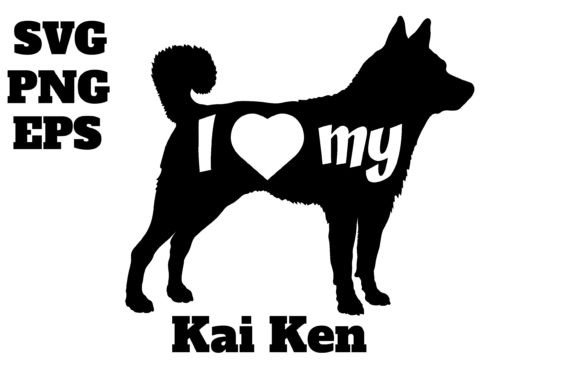
When I first opened the Kai Ken design file, I was immediately struck by its clean, confident silhouette. This is not a fussy, over-detailed illustration. It is a bold, recognizable dog breed profile with a straightforward, almost graphic-novel clarity. As someone who has stitched out hundreds of embroidery designs for clients, craft fairs, and my own small shop, I have learned that the best designs are the ones that read clearly at a glance, hold up to repeated washing, and work across a wide range of products. Kai Ken does all of that, and it does it with a quiet, understated personality that feels both modern and timeless.
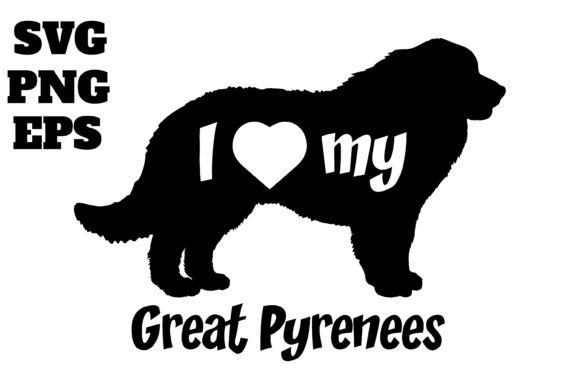
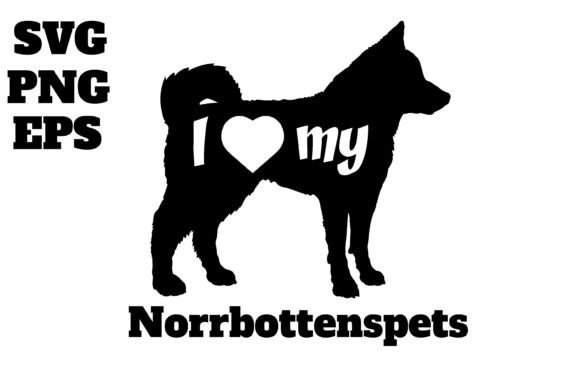
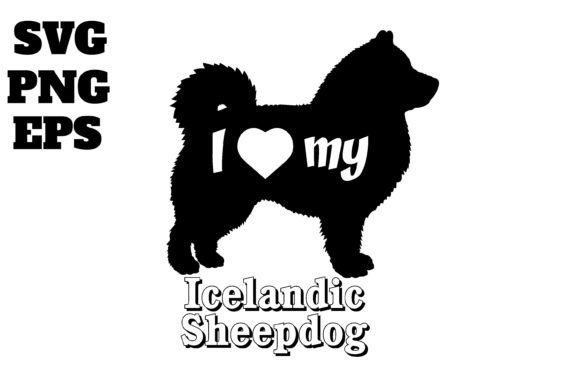
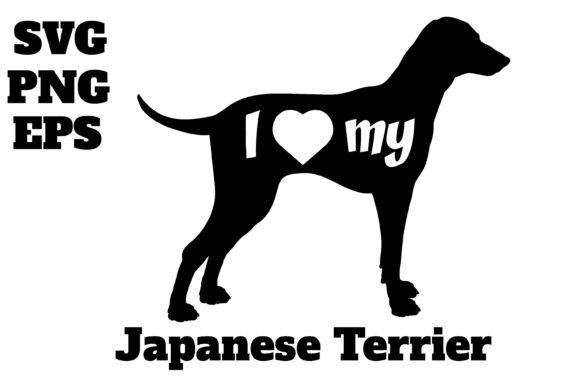
The template design part of this file is what originally caught my attention. It is labeled as a "love my Dog" template, and the silhouette approach is what makes it so versatile. The dog breed is immediately recognizable to anyone familiar with the breed, but it is also abstract enough to work as a general "dog lover" motif. The monogram vector aspect adds another layer of usefulness. This is not just a single-purpose graphic. It is a design asset that can be adapted for logos, custom apparel, patches, and digital mockups. The inclusion of SVG, PNG, and EPS formats means I can use it for both embroidery digitizing and for creating printable mockups for my Etsy listings. That kind of cross-format flexibility is something I value deeply as a creative entrepreneur.
First Impressions and Visual Personality
The mood of Kai Ken is straightforward, loyal, and slightly minimalist. It does not try to be cute or overly decorative. It presents the dog as a strong, noble shape. The silhouette style means there are no fine details to lose in the stitching, no tiny eyes or whiskers that might disappear on a textured fabric. The line work is clean, and the overall composition feels balanced. For machine embroidery, that kind of clarity is gold. I have seen too many designs that look beautiful on screen but turn into a muddy mess once the needle hits the fabric. Kai Ken avoids that trap entirely.
The design naturally belongs to projects where the focus is on the breed itself. It works perfectly for custom apparel like sweatshirts, t-shirts, and tote bags. It also fits beautifully on caps, patches, and even baby onesies if scaled down carefully. The silhouette style gives it a modern, almost logo-like feel, which makes it ideal for small business merchandise, boutique branding, and personalized gifts. I can easily imagine this on a canvas tote bag for a dog-friendly boutique, or as a centerpiece patch on a denim jacket for a breed enthusiast.
Real-Life Scenario: The Custom Sweatshirt
Last week, I used Kai Ken for a custom embroidered sweatshirt order. The customer wanted a simple, elegant design for her dog breed club's annual meetup. She did not want the design to be too cartoonish or too detailed. She wanted something that would look professional, stitch cleanly, and hold up after many washes. I suggested Kai Ken because the silhouette format is inherently durable. The satin stitch and fill stitch areas are well-defined, and there is no dense stitching that might cause puckering on a mid-weight sweatshirt fleece.
I stitched it out on a scrap piece of the same fabric first, using a medium-weight cutaway stabilizer. The result was impressive. The satin stitch edges were crisp, the fill stitch areas were smooth and even, and the overall design had a nice, solid presence. The customer was thrilled, and the sweatshirt became one of the best sellers at the meetup. That is the kind of real-world reliability that makes me trust a design file.
Performance Across Embroidery Situations
Kai Ken performs well on a wide range of products. Here are some scenarios where I have tested it or would confidently use it:
- Custom apparel: Sweatshirts, t-shirts, and hoodies. The silhouette works well on both light and dark fabrics. On dark fabrics, I recommend using a light thread color or a white underlay to keep the shape crisp.
- Tote bags: The bold shape holds up beautifully on canvas or cotton tote bags. It is large enough to make a statement but not so large that it overwhelms the bag.
- Patches: The design is ideal for embroidered patches. The clean edges and solid fill make it easy to cut out and sew onto other items.
- Caps and hats: With proper scaling, Kai Ken fits nicely on a cap front. The silhouette style works well on curved surfaces because there are no tiny details that might distort.
- Baby and kids' items: Scaled down, it works on onesies, bibs, and baby blankets. The simple shape is easy to recognize and still looks soft and friendly.
- Home decor: Pillow covers, kitchen towels, and tea towels. The design adds a personalized touch without being too busy.
- Holiday and wedding gifts: For a dog-loving couple, this design on a set of towels or a throw blanket makes a thoughtful, personalized gift.
- Small business merchandise: Etsy sellers, craft fair vendors, and boutique owners can use Kai Ken as a logo or product design. It has a professional, branded look that builds customer trust.
- Digital product previews: The PNG and SVG files are great for creating printable mockups and digital product previews. The silhouette style photographs well and looks clean in online listings.
Where to Use Kai Ken with Care
No design is perfect for every situation, and Kai Ken has some limitations worth noting. The silhouette style means it is best used at a moderate to large size. If you try to hoop it in a very small hoop, say under 4 inches, the details might become too compressed, and the overall shape could lose its impact. I recommend testing the design at different sizes on scrap fabric before committing to a final product.
On textured fabrics like fleece, terry cloth, or thick knits, the silhouette can still work, but you may need to adjust the stabilizer and thread tension to prevent the design from sinking into the fabric. A heavier cutaway stabilizer usually helps. On stretchy fabrics like jersey or performance wear, a fusible stabilizer or a no-show mesh stabilizer is a good idea to keep the stitches from distorting.
Dark fabrics require careful thread color selection. If you use a dark thread on a dark background, the design will disappear. I recommend using a bright or contrasting thread color, or a metallic thread for a more premium look. Also, the design is a silhouette, so it does not have any open areas or negative space within the shape. This means it is a solid block of stitching. On very lightweight fabrics, this could cause the fabric to pull or pucker. Use a lightweight stabilizer and test the stitch density before proceeding.
For curved surfaces like caps, be mindful of the design's height. If it is too tall, it may not fit well on the cap front. I recommend keeping the design under 2.5 inches in height for most cap styles. The same applies to small items like baby onesies or toddler shirts. The design should be scaled to fit the garment proportionally.
Visual Appeal, Product Value, and Customer Trust
Kai Ken has a strong visual appeal that directly translates to product value. When a customer sees a clean, well-stitched silhouette on a sweatshirt or tote bag, they perceive it as a high-quality item. The design feels intentional, not rushed. It gives the product a handmade, professional presentation that builds trust and encourages repeat business. For Etsy sellers and small shop owners, that kind of trust is invaluable. A well-executed design can turn a simple garment into a memorable gift or a personal statement piece.
The design also works well for brand consistency. If you are building a small business around dog-related products, Kai Ken can serve as a recognizable logo or motif that carries across different product lines. It is simple enough to be embroidered, printed, or used as a digital asset. The PNG and EPS files make it easy to create matching graphics for your website, social media, and product packaging.
Practical Embroidery Designer Notes
Before you stitch Kai Ken for a client or for your own shop, here are some practical steps I always take with any new design file:
- Test on scrap fabric first. Always. This is non-negotiable. The design may look perfect on screen, but fabric behaves differently. Test the stitch density, thread tension, and overall appearance before you work on the final product.
- Check thread color contrast. Hold the thread next to the fabric. If the contrast is too low, the silhouette will not read clearly. On light fabrics, dark thread works best. On dark fabrics, light or bright thread is essential.
- Review stitch density. The Kai Ken design uses a mix of satin stitch, fill stitch, and possibly running stitch for the outline. Make sure the density is appropriate for your fabric. High density on thin fabric can cause puckering. Low density on thick fabric may look thin and uneven.
- Confirm hoop size. The design file should include recommended hoop sizes. If not, measure the design dimensions and choose a hoop that gives you at least an inch of clearance on all sides. This is especially important for caps and small garments.
- Inspect small details. Even though the silhouette is simple, check for any fine points or corners that might be challenging to stitch. The satin stitch should be smooth and even, and the corners should be sharp without thread buildup.
- Test in black and white mockups. Before you commit to colors, test the design in black and white printable mockups. This helps you see the shape and balance without the distraction of color. It is also a good way to check if the design works for a monochrome product.
- Compare light and dark fabric backgrounds. The same design can look very different on a white shirt versus a black shirt. Test both if you plan to offer the product in multiple colors.
- Use proper stabilizer. For most apparel, a medium-weight cutaway stabilizer is a safe choice. For more delicate fabrics, use a lightweight tearaway or a fusible stabilizer. For caps, use a stiff cap stabilizer.
- Check licensing before use. The design file is listed as "Print Templates" and "Graphics" in the product category. This typically means it is intended for personal and commercial use, but you should always confirm the exact license terms before selling finished items or digital products. Do not assume anything. Read the license file or contact the seller.
Final Thoughts on Stitching Kai Ken
Kai Ken is a well-crafted design asset that delivers on its promise. It is simple, clean, and versatile. It works for dog lovers, small businesses, and personalized gift makers. It stiches out reliably on a wide range of fabrics and products. It builds product value and customer trust through its clear, professional appearance. The silhouette style is inherently durable, and the file formats make it easy to use for both embroidery and digital previews.
If you are looking for a dog breed design that is elegant without being fussy, bold without being aggressive, and practical without being boring, Kai Ken is a solid choice. Just remember to test it, scale it appropriately, and use the right stabilizer. With a little preparation, this design will serve you well across many projects, from custom apparel to boutique merchandise and personalized gifts. It is the kind of design that quietly earns its place in your digital library.