Japanese Terrier: A Designer’s Review for Real Projects
I recently took on a custom order for a personalized tote bag. The client specifically wanted a silhouette of their Japanese Terrier paired with a classic monogram. Finding a clean, breed-accurate vector can be a challenge, but the Japanese Terrier template design from the Print Templates and Graphics category caught my eye immediately. It promised a precise silhouette, logo potential, and versatile file formats. Here’s my hands-on evaluation of how it performs in real embroidery and product contexts.
First Impressions: A Clean, Modern Silhouette for a Niche Breed
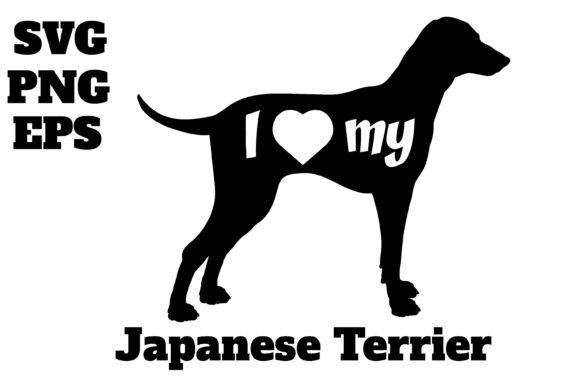
The Japanese Terrier isn't a common breed in the mainstream dog design market. Most generic dog silhouettes lean towards Labs, German Shepherds, or Poodles. This design immediately sets a product apart. The sleek body structure, distinct head shape, and elegant posture of the Japanese Terrier are captured in a clean, modern silhouette. This makes it an excellent choice for an embroidered patch, a sweatshirt design, or a boutique logo. The "I love my Dog" sentiment is perfectly encapsulated in this minimal, high-impact vector style. The mood is sophisticated yet affectionate, which is a tough balance to strike in a silhouette. It feels like a logo, not just a clip art.
From Vector to Stitch: Assessing the Embroidery Potential
Since the delivered files are SVG, PNG, and EPS, you will need to bring this design into digitizing software like Wilcom, Hatch, or Embrilliance to create your machine embroidery design file. The clean vector paths are a dream for digitizing. The silhouette border is ideal for a satin stitch, giving it a crisp, professional edge. The interior body can be filled with a tatami or fill stitch, or left as a negative space design. The "dog monogram vector" aspect means it is already laid out to pair beautifully with letters. This is a huge time-saver for custom apparel decorators. The PNG is perfect for creating Etsy listings or small shop product previews before you even digitize the first stitch. For a digital product seller, having these file formats means you can offer a complete package to your customers.
Where This Design Makes the Biggest Impact
This design fits naturally into a niche marketing strategy. It is not a one-size-fits-all graphic, and that is its greatest strength.
- Custom Apparel: Embroidered sweatshirts, t-shirts, and hoodies. The silhouette works well on the left chest or center back. The satin stitch will pop beautifully against cotton or poly-cotton blends.
- Tote Bags and Aprons: A large, clean silhouette makes a bold statement on a canvas tote or denim apron. This is a strong product for craft fairs and boutique product lines.
- Embroidered Patches: This is a top-tier patch design. A simple iron-on or sew-on patch featuring this silhouette would sell well. The clean lines ensure the patch will be readable even at a small scale.
- Baby and Kids: A small embroidered version on a baby onesie or a toddler's sweater is adorable and unique. It gives the gift a deeply personal touch.
- Holiday Gifts: Offer it as a personalized gift for dog owners. The clean, classic style ensures it won't look dated. It is a solid choice for holiday embroidery projects.
- Printable Products: The PNG and EPS allow you to sell printable wall art, greeting cards, or gift tags featuring the Japanese Terrier alongside your physical embroidered goods.
From a small shop product perspective, this design is a goldmine for an Etsy seller. You can create a single listing with variations for different product types. Use the PNG to create a stunning printable mockup that shows the design on a variety of items. This builds buyer engagement and shows professionalism.
Navigating the Challenges: Small Hoops, Fabric Choices, and Stitch Density
No design is perfect for every application, and the Japanese Terrier requires some thoughtful planning before you hit "start" on your machine.
- Small Hoop Sizes: If you are using a 4x4 hoop, the smaller details of the silhouette might become too cramped or lose clarity. Ensure you scale the design appropriately and test the stitch-out. A running stitch for the smallest details might be necessary.
- Stitch Density: A vector silhouette can sometimes translate into a very dense embroidery file if not digitized carefully. Monitor your stitch count and density settings. High density can cause fabric puckering, especially on thinner fabrics or when using a fill stitch for the entire body. Consider using an applique design approach to reduce density and add texture.
- Fabric Texture: Heavy textures like fleece or thick knits might swallow the fine details of the silhouette. A smooth, stable fabric like cotton, twill, or canvas is ideal for maintaining the crispness of the satin stitch border.
- Dark Fabrics: If you are stitching a dark-colored silhouette on a dark fabric, it will visually disappear. Plan for good thread contrast or use a white or light-colored underlay to make the design pop.
- Curved Surfaces: For caps or hats, the silhouette might need to be slightly simplified at the edges to prevent distortion during the framing process. Test the hoop size and curvature carefully.
Practical Production Notes for the Handmade Shop Owner
Before you cut into that expensive fabric, run a test stitch-out on a scrap piece. This is non-negotiable. You need to verify the stitch density, thread tension, and overall scale of the machine embroidery design. Check how the fabric texture interacts with the fill stitch. Does the satin stitch lay flat? Is the silhouette crisp? Testing saves money and customer trust.
Consider the giftability factor. A personalized gift featuring a specific breed like the Japanese Terrier shows thoughtfulness. It is perfect for holiday embroidery projects, wedding gifts for dog owners, or memorial pieces. The clean vector style ensures it looks sophisticated, not just a graphic thrown on a shirt.
From a business perspective, this design builds strong customer trust. When a client sees that you have a specific, accurate design for their unique breed, they know you are a professional. It elevates your handmade product from a generic offering to a specialized craft business service.
Let's talk about the business side of your digital embroidery file usage. You must check the specific license agreement. Can you use it for commercial embroidery? Can you sell the finished products? Since it is a Graphic and Print Template, it likely allows for commercial use of finished products, but you need to verify if you are allowed to sell the digitized embroidery file itself. Always confirm before launching your new product line. Respecting these terms protects your craft business.
When digitizing from the EPS or SVG, pay attention to pull compensation. The clean lines of the silhouette need to remain sharp. If you are using an applique design approach, the vector provides a perfect template for the fabric base layer. Use a high-quality cutaway stabilizer for structured items like patches and tote bags, and a tear-away for stable cotton apparel. Thread colors should be chosen to complement the fabric, not just the breed.
The Verdict: A Solid Design Asset for Creative Entrepreneurs
The Japanese Terrier design is a well-crafted, breed-specific graphic that translates beautifully into the embroidery world with the right digitizing. It fills a specific niche, giving small business owners and handmade shop owners a valuable tool for creating personalized gifts, custom apparel, and boutique products. Its strength lies in its clean silhouette and monogram-ready layout. For a designer, it gives you a foundational asset that can be adapted for patches, sweaters, totes, and home decor. Just be mindful of scaling, density, and licensing, and you have a winning design for your next embroidery project. Whether you are an Etsy seller looking to expand your dog breed offerings or an apparel decorator fulfilling a custom order, the Japanese Terrier is a practical, high-quality choice that your customers will love.