Jämthund: A Designer’s Honest Take on This Dog Breed Silhouette
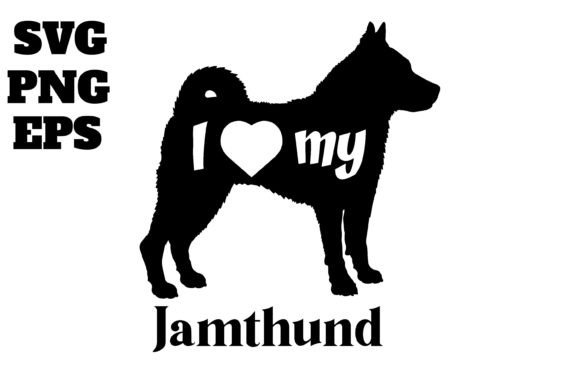
When I first opened the Jämthund design file, I was struck by how clean and purposeful the silhouette felt. This isn’t a fussy, over-detailed illustration. It’s a bold, recognizable profile of a Swedish moose dog—strong, upright, and alert. The shape reads instantly as a working breed, which gives the design a grounded, loyal personality. For anyone who works with machine embroidery designs, that kind of clarity is gold. You don’t have to guess what you’re looking at, and neither will your customer.
The design comes as a vector in SVG and EPS formats, plus a PNG for quick mockups or print reference. That means it falls under the Print Templates category and Graphics product type, but don’t let that label limit your thinking. As an embroidery designer, I see this as a perfect candidate for conversion into an embroidery file. The silhouette is solid, the lines are simple, and the monogram-style layout gives it a sharp, badge-like feel that works beautifully on custom apparel and handmade products.
First Impressions: Mood, Shape, and Visual Personality
Jämthund feels like a tribute piece. It’s not trying to be cute or cartoonish. The dog’s stance is poised, ears perked, tail straight—exactly how you’d picture a Jämthund standing watch. That seriousness makes it a great fit for dog lovers who want something more refined than a generic paw print or bone motif. The silhouette treatment keeps the design versatile: you can pair it with a name, a monogram, or leave it standalone for a minimal look.
From a layout perspective, the design is well-balanced. The dog’s profile is centered and scaled appropriately, so it doesn’t feel cramped or floating. Whether you use it as a focal point or a subtle accent, the shape holds its own. The monogram integration feels natural, not forced, which is a common pitfall in dog breed logo designs. Here, the lettering and silhouette work together without competing.
Real Use Case: Turning Jämthund Into a Custom Embroidered Tote Bag
Let me walk you through a real project I’m planning with this design. A client wants a custom tote bag for their dog-walking business. They have a Jämthund themselves and want the silhouette front and center, with the business name below. I’ll be converting the SVG into a digital embroidery file, likely using a satin stitch for the outline and a fill stitch for the body to give it substance.
One of the first things I considered was the bag’s fabric. Tote bags are usually cotton canvas or heavy twill, which handle moderate stitch density well. The Jämthund silhouette, with its clean edges, should stitch out cleanly without too many thread color changes. I’m planning on a single color for the dog—maybe a deep charcoal on a natural canvas—to keep production fast and the look cohesive. The monogram portion can be done in a matching or contrasting thread, depending on the client’s branding.
I always test a new design on scrap fabric before committing to the final product. With Jämthund, I’ll check the stitch density on the legs and tail area, since those are the narrowest parts. If the fill stitch feels too dense, I might switch to a running stitch for the inner details and keep the satin stitch only for the outer edge. The goal is to preserve the silhouette’s crispness without overloading the fabric.
How Jämthund Performs Across Different Embroidery Projects
This design is more adaptable than it first appears. Here’s how it holds up in real embroidery situations:
- Custom apparel: On a sweatshirt or t-shirt, the silhouette reads clearly from a distance. The solid shape works well on chest or sleeve placements. I’d recommend a medium hoop size—something in the 4x4 to 5x7 range—so the design has breathing room.
- Embroidered patches: Jämthund makes an excellent patch design. The clean outline sews out nicely with a satin stitch border, and the fill stitch interior holds up to repeated handling. Patches are a great way to test the design before committing to larger projects.
- Baby and kids items: While the Jämthund is a serious breed, the silhouette is simple enough to work on a baby onesie or toddler shirt if you scale it down. Just keep the stitch density low on lightweight fabrics.
- Holiday and personalized gifts: For a dog owner, this design on a pillow cover, kitchen towel, or apron feels personal without being tacky. It’s the kind of gift that shows you paid attention to their favorite breed.
- Small shop merchandise: If you’re an Etsy seller or craft business owner, Jämthund can be used across multiple product lines—tote bags, caps, blankets, and even printable mockups for digital listings. The vector format makes resizing painless.
Where Jämthund Needs Careful Handling
No design is perfect for every surface, and Jämthund has a few areas that require attention. The tail and legs are the most delicate parts of the silhouette. If you’re using a small hoop size, say 3x3 or smaller, those details may become too narrow for a fill stitch to render cleanly. In that case, reduce the stitch density or use a running stitch outline instead of a full fill.
Textured fabrics like fleece, terry, or heavy knits can blur the edges of a silhouette. If you’re embroidering on a sweatshirt or blanket, use a medium-weight cutaway stabilizer and a ballpoint needle to keep the stitches from distorting. Stretchy fabrics, like those used in caps or hats, require extra care. The curved surface of a cap can pull the design out of shape, so test on a scrap cap panel first.
Dark fabrics pose another consideration. If you’re using a dark thread on a dark background, the silhouette might get lost. I always recommend testing the design in black and white on a mockup first, then trying a high-contrast thread color against the actual fabric. A light gray or silver thread on a black sweatshirt can look striking, while a dark navy on black will disappear.
Frequent washing, like on kitchen towels or baby blankets, can wear down high-density stitches over time. For those products, keep the stitch count reasonable and use a strong stabilizer that won’t break down in the wash. A satin stitch border around the silhouette helps protect the edges from fraying.
Visual Appeal, Product Value, and Customer Trust
When a customer sees a well-executed embroidered silhouette of their favorite dog breed, they feel understood. Jämthund delivers that emotional connection without relying on excessive detail or gimmicks. The design looks professional, which translates directly to product value. A tote bag or sweatshirt with this design feels like a premium item, not a quick print.
For small business owners, using a clean, recognizable silhouette like this builds brand consistency. If you’re producing multiple items with the same dog breed theme, your customers will start to recognize your style. That kind of recognition is hard to buy—it has to be earned through consistent quality. Jämthund helps you get there because it’s versatile enough to appear on patches, apparel, and home goods without looking out of place.
Giftability is another factor. Personalized gifts with dog breed designs are a huge category, and Jämthund fits right in. A custom embroidered pillow or apron with the silhouette and a monogram feels thoughtful and handmade. It’s the kind of product that people keep for years, not toss aside after a season.
Practical Designer Notes Before You Sew
Before you load that digital embroidery file into your machine, here are a few steps I always take with a new design like Jämthund:
- Test on scrap fabric first. I cannot stress this enough. Even if the vector looks perfect on screen, fabric behaves differently. Run a test stitch on a material similar to your final product.
- Check thread color contrast. Hold your thread choices against the actual fabric under shop lighting. What looks good on a monitor may not pop in real life.
- Review stitch density. If the design has dense fill areas, consider whether your fabric can handle it. Lightweight fabrics may need a lighter stitch density or a different stabilizer.
- Confirm hoop size. Jämthund is a silhouette that can scale up or down, but make sure your hoop can accommodate the final size you want. Test the scaled version before committing.
- Inspect small details. The tail tip and ear points are the most vulnerable areas. If they’re too narrow, simplify them or adjust the stitch direction.
- Test in black and white mockups. This helps you see the design’s contrast and readability without the distraction of color.
- Compare light and dark fabric backgrounds. A silhouette that works on a white tee may not read well on a black hoodie. Plan your thread color accordingly.
- Use proper stabilizer. For most apparel, a medium-weight cutaway stabilizer is a safe bet. For patches, use a tearaway with a backing.
- Check licensing. Since Jämthund comes as a Print Templates graphic, confirm whether your intended use—commercial embroidery, selling finished products, or using it in digital product previews—is allowed. If in doubt, contact the seller.
Final Thoughts on Jämthund for Real Project Use
Jämthund is a straightforward, honest design. It doesn’t try to be clever or complicated, and that’s exactly why it works. As a machine embroidery design asset, it gives you a strong foundation to build on. Whether you’re stitching a one-off personalized gift for a dog owner or producing a run of branded merchandise for a small shop, the silhouette holds up.
The fact that it comes in SVG, PNG, and EPS formats means you have flexibility. You can resize it, tweak it, pair it with lettering, or use it as a standalone motif. For embroidery designers who work with multiple product types, that kind of adaptability saves time. You don’t have to redraw the design from scratch for every project.
If you’re an Etsy seller, craft business owner, or apparel decorator looking for a dog breed design that feels mature and professional, Jämthund is worth a close look. Just remember to test it, stabilize it, and respect the fabric. That’s the difference between a design that looks good on screen and one that looks great in a finished product.
I’ll be using this one on a custom tote bag and a patch for my own gear. After that, I’m already planning a sweatshirt version for a client who breeds Jämthunds. If the test stitch goes as cleanly as I expect, this design will earn a regular spot in my rotation.