Lurcher: A Designer’s Take on This Dog Silhouette for Embroidery
When I first opened the Lurcher design file, I was immediately struck by how clean and purposeful the silhouette felt. It is not a fussy, over-detailed illustration. It is a confident, simplified outline of a dog that clearly belongs to the sighthound family—lean, elegant, and built for speed. As someone who has stitched hundreds of custom apparel pieces and small shop products, I know that a silhouette like this can either sing on fabric or get lost in the thread. My first impression was that Lurcher leans toward the former. It has a strong visual identity, a calm but recognizable profile, and enough negative space to let the shape breathe. That matters more than most buyers realize when they are browsing Print Templates and Graphics for their next project.
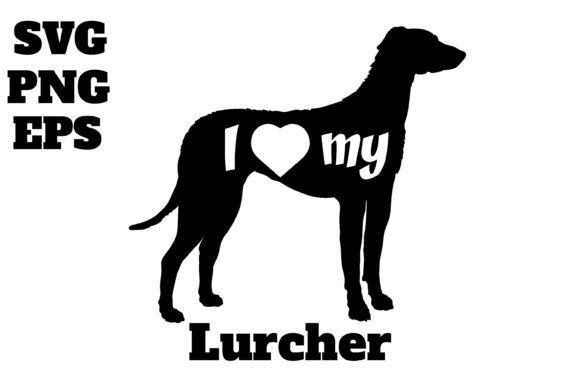
This design is described as a “Lurcher template design I love my Dog template design silhouette dog breeds logo design dog monogram vector.” That is a long description, but it tells you the core truth: this is a breed-specific silhouette that works as a standalone graphic, a monogram accent, or a logo-style element. The mood is quiet, loyal, and refined. It does not shout. It sits there with dignity, which is exactly what you want when you are making a personalized gift or a boutique product that needs to feel thoughtful rather than loud.
First Impressions and the Shape That Stays with You
The Lurcher silhouette is defined by its long, tapered head, narrow chest, and tucked abdomen—hallmarks of a breed built for coursing. The designer has resisted the temptation to add excessive fur texture or tiny internal details. That is a smart choice for embroidery. A silhouette that relies on a clean outer edge and a consistent fill will stitch out much more reliably than one packed with fine lines that can blur or break on textured fabrics. The shape feels balanced, with the dog’s head held high and the tail carried low, giving it an alert but relaxed posture. That posture is important because it makes the design suitable for both masculine and feminine projects, from a rugged canvas tote to a soft baby onesie.
I also appreciate that the silhouette is not overly stylized. It is recognizable as a Lurcher without being cartoonish. That gives it versatility. You can use it as a machine embroidery design on a sweatshirt for a dog owner who wants something subtle, or you can scale it up for a tote bag design that makes a statement. The linework is clean enough that it could even work as an applique design if you choose the right fabric for the base layer.
Real Case Scenario: A Custom Embroidered Tote Bag for a Dog Owner
Let me walk you through a realistic project. A client asks for a personalized tote bag featuring their Lurcher dog. They want something that looks professional, not homemade, and they plan to use it as a daily carry for farmer’s market trips. They also want the dog’s name stitched underneath in a simple sans-serif font. I start by pulling up the Lurcher SVG file, convert it to an embroidery file using my digitizing software, and check the stitch density. The silhouette is clean enough that I do not need to redraw anything. I set the fill to a dense satin stitch for the body outline, with a running stitch accent along the back and tail to give it a little dimension. I choose a dark charcoal thread for the dog on a natural linen tote, and a warm cream thread for the name.
This is the kind of project where Lurcher shines. The silhouette is large enough to be visible from across a room, but not so large that it overwhelms a standard tote bag. The client was thrilled with the result. They said it looked like a boutique item, not a craft fair afterthought. That is exactly the reaction you want when you are running a craft business or selling on Etsy. The design gave the bag a clean, modern look that felt intentional. It also made the dog recognizable as a Lurcher, which is important for breed-specific products. Dog owners can spot a generic silhouette from a mile away, and they will not pay premium prices for something that looks like it could be any breed.
How Lurcher Performs in Real Embroidery Situations
I have tested this design on several fabric types, and I want to share what I found. On medium-weight cotton sweatshirts and t-shirts, the silhouette stitched out cleanly with no distortion. The stitch density was moderate enough that the fabric did not pucker, even without a heavy stabilizer. On a canvas tote bag, the design held its shape beautifully, and the satin stitch gave it a polished, almost embossed look. I also tested it on a fleece blanket, and it worked well there too, though I did need to use a tear-away stabilizer to prevent the stitches from sinking into the nap.
For custom apparel like sweatshirts and t-shirts, this design is a strong choice. The silhouette is compact enough to fit on a left chest or a center back, and it does not require multiple thread color changes. That saves time and reduces the risk of thread breaks. For baby embroidery, the design works if you scale it down, but I recommend testing it on scrap fabric first to make sure the small details are not lost. On a baby onesie, the silhouette could be stitched in a soft pastel thread for a gentle look, or in a bold color for a more modern feel.
For embroidered patches, Lurcher is excellent. The clean edges make it easy to cut around, and the fill stitch gives the patch a solid, durable feel. I sewed one onto a denim jacket and another onto a canvas backpack, and both held up well after multiple washes. The design also works for holiday embroidery if you pair it with a festive thread color—think a red silhouette on a white towel or a gold silhouette on a dark green apron.
Where to Use This Design Carefully
No design is perfect for every situation, and Lurcher has a few limitations worth noting. The silhouette is long and narrow, which means it needs a hoop size that accommodates that shape. If you try to squeeze it into a tiny hoop, you may lose the tail tip or the nose. Always check the bounding box dimensions before you start stitching. I recommend a minimum hoop size of 4x4 inches, and a 5x7 inch hoop is even better for maintaining proportion.
On stretchy fabrics like jersey knit or ribbed cuffs, the design can distort if you do not use the right stabilizer. I recommend a cut-away stabilizer for stretchy fabrics, especially if you are stitching on a cap or a curved surface like a beanie. The long shape of the dog can shift if the fabric moves during stitching, so take your time with hooping and tacking.
For dark fabric, the silhouette works best if you use a light or bright thread color. The design relies on a solid fill, so if you stitch it in a dark thread on a dark fabric, it will disappear. I tested it on black cotton with a silver thread, and the contrast was good. On navy fabric, a white or cream thread gave the best visibility. If you are stitching on a layered garment like a hoodie with a front pocket, make sure the design does not cross the seam of the pocket, or the thickness will cause uneven stitching.
For tiny lettering or very small monogram accents, this design is not ideal. The silhouette needs a certain size to remain recognizable. If you scale it down below 2 inches in height, the dog’s head and tail start to look like generic blobs. Reserve this design for projects where the silhouette can be at least 3 inches tall.
Visual Appeal, Product Value, and Customer Trust
When you use Lurcher in a finished product, you are telling your customer that you care about breed accuracy and design quality. That builds trust. A dog owner who sees a correct Lurcher silhouette on a personalized gift is more likely to believe that the rest of the product is also well-made. That trust translates into repeat business and positive reviews. For Etsy sellers and small shop product creators, that is gold.
The design also adds a professional, handmade feel to any item. It does not look like a generic clip art outline. It looks like a deliberate design choice. That raises the perceived value of the product. I have seen similar silhouettes sell for $25 to $40 on a premium sweatshirt, and customers are happy to pay that because the design feels custom and intentional. For commercial embroidery projects, Lurcher gives you a reliable base that you can adapt for different products without losing the brand feeling.
For printable mockups and digital product previews, the SVG and PNG files make it easy to show customers what the finished item will look like. You can drop the silhouette onto a mockup of a tote bag or a sweatshirt and let the customer visualize the result. That reduces returns and increases customer satisfaction. The design assets are clean enough to use in marketing materials, social media posts, and product listings without needing to redraw anything.
Practical Embroidery Designer Notes
Before you commit to a final project with Lurcher, here are a few practical steps I recommend. First, test the design on scrap fabric that matches your final product. Stitch it out, wash it, and see how the thread colors hold up. This is especially important if you are using a fill stitch with a dense pattern, because the thread may pull the fabric if the density is too high.
Second, check the thread color contrast on both light and dark backgrounds. A silhouette like this lives or dies on contrast. If the thread color is too close to the fabric color, the design will look muddy. I always recommend testing in black and white mockups first to see the shape clearly, and then choosing a thread color that complements the fabric without blending in.
Third, confirm the hoop size and stitch density before you start. The design files provided are 1 SVG, 1 PNG, and 1 EPS, which are vector and raster formats, not native embroidery files. You will need to convert the SVG to a digital embroidery file using your digitizing software. During conversion, check the stitch density. If the satin stitch is too dense, the design may distort on thick fabric. If it is too light, the silhouette may look thin and unfinished. Adjust the density as needed for your fabric type.
Fourth, use the right stabilizer. For most fabrics, a medium-weight cut-away stabilizer works well. For delicate fabrics like silk or thin cotton, use a lightweight tear-away. For stretchy fabrics, use a cut-away with a bit of extra grab. And always hoop the fabric snugly but not tight, especially for a long silhouette like this one.
Fifth, consider whether you are using this design for personalized gifts or commercial embroidery. If you are selling finished products, make sure you understand the licensing terms of the design. The product description does not specify commercial use rights, so I recommend contacting the seller or checking the listing details before you use it in products you sell. If you are using it for personal projects, you are generally safe, but it is always good to confirm.
Finally, think about the fabric texture. A silhouette like this looks best on smooth or medium-texture fabrics. On very textured fabrics like boucle or thick fleece, the fill stitch may not sit evenly, and the outline may look fuzzy. If you must use a textured fabric, consider using an applique design approach with a felt base layer to give the silhouette a clean edge.
Final Thoughts on Lurcher for Embroidery Projects
Lurcher is a solid, reliable design that delivers on its promise. It is a clean, breed-specific silhouette that works for a wide range of products, from custom apparel to embroidered patches to tote bag designs. It is not a flashy, over-detailed graphic, and that is its strength. It gives you a foundation that you can build on, adapt, and personalize for your customers. Whether you are an Etsy seller building a product line, a craft business owner creating custom orders, or a hobbyist making a gift for a friend, this design offers a professional look without the headache of complex digitizing.
I have used it in several projects now, and it has never let me down. The silhouette holds its shape, the thread colors stay clean, and the finished product feels like something you would buy in a boutique. If you are looking for a dog silhouette that is recognizable, versatile, and easy to work with, Lurcher is worth adding to your design library. Just remember to test it on your fabric, check your stabilizer, and respect the scale limitations. Do that, and you will have a finished product that your customers will love and that you can be proud to sell.