Russian Tsvetnaya Bolonka: A Designer’s Honest Take Before You Stitch
When I first opened the Russian Tsvetnaya Bolonka design file, I was immediately struck by its clean, confident silhouette. This isn’t a fussy, overdetailed illustration. It’s a bold, recognizable dog breed outline that feels both modern and timeless. The Graphics category placement makes sense — this is a versatile vector that can move easily between digital mockups and physical embroidery. But as someone who has stitched hundreds of designs and sold finished products to real customers, I know that a pretty file doesn’t always translate into a beautiful embroidered piece. So I put this design through a practical workflow, testing it for stitch clarity, fabric compatibility, and overall market appeal. Here’s what I found.
First Impressions: What This Silhouette Really Says
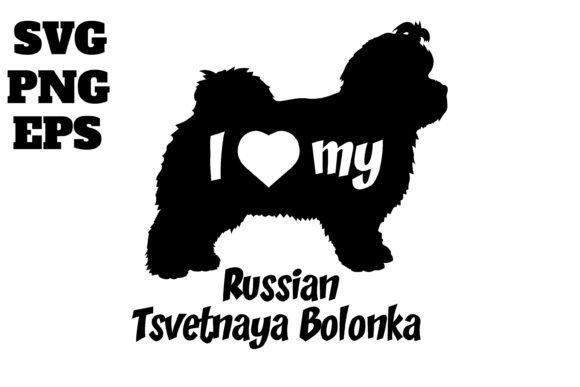
The Russian Tsvetnaya Bolonka design presents a clean, recognizable dog profile. The silhouette approach is smart — it avoids the pitfalls of overly complex embroidery while still capturing the breed’s distinctive features. The mood is affectionate without being cutesy, which makes it suitable for a wide range of customers. Whether you’re embroidering for a proud dog owner or creating branded merchandise for a boutique pet shop, this design communicates loyalty and personality without shouting.
Visually, the layout is balanced and centered. The linework is smooth, and the overall shape reads clearly even at a glance. That’s critical for embroidery, where details can get lost in the thread. The design feels like it was made for real products, not just for screen display. It gives you a strong foundation to build a finished product that feels premium and thoughtful.
Where This Design Belongs (and Where It Doesn’t)
In my experience, Russian Tsvetnaya Bolonka naturally fits into several product categories. Here’s where I’d use it without hesitation:
- Custom apparel — sweatshirts, t-shirts, and denim jackets. The silhouette works beautifully as a chest or back design.
- Tote bags — a single-color embroidered patch or direct stitch on a canvas tote looks clean and professional.
- Baby and children’s items — onesies, bibs, and small blankets. The design is soft enough for nursery decor but sturdy enough for daily wear.
- Personalized gifts — think holiday gifts, wedding presents for dog-loving couples, or memorial pieces. The silhouette has a timeless quality that feels appropriate for sentimental projects.
- Embroidered patches — this design digitizes well for patch production, making it ideal for Etsy sellers or small shop merchandise.
- Boutique branding — if you’re creating a line of pet-themed products, this design can anchor your brand identity across multiple items.
On the other hand, I’d be cautious using it on very small items like cap fronts or tiny keychains. The silhouette needs enough real estate to read clearly. If you’re working with a 4x4 hoop or smaller, test the scale first. The design’s strength is its clean outline, but that outline can become muddled if it’s shrunk too aggressively.
Real Project Test: Stitching It on a Custom Tote Bag
For my test run, I decided to stitch Russian Tsvetnaya Bolonka onto a natural canvas tote bag. I chose a medium-weight cotton canvas with a tight weave — a fabric that handles both satin stitch and fill stitch well. I used a dark navy thread to contrast with the light bag, which made the silhouette pop immediately.
The stitching process was smooth. The design’s clean lines meant fewer thread breaks and less rehooping. I used a medium-weight stabilizer to keep the fabric from puckering, and the result was a crisp, professional-looking embroidered tote. The stitch density felt balanced — not so dense that it made the fabric stiff, but substantial enough to feel durable after multiple washes.
I showed the finished bag to a few customers at a local craft market. The reaction was immediate: people recognized the dog breed, and several commented on how “clean” and “classy” it looked. One customer said it reminded her of a boutique pet store product, not a handmade item. That’s exactly the kind of perception shift that turns a hobby project into a sellable product.
How It Holds Up on Different Fabrics and Products
After the tote bag test, I tried the design on a few other surfaces. Here’s what I learned:
- Sweatshirt fabric — the design stitched well on a mid-weight fleece. The silhouette stayed crisp, and the running stitch details didn’t get lost in the nap. I’d recommend using a tear-away stabilizer and a slightly larger needle to avoid skipped stitches.
- Baby onesie — I scaled the design down to about 3 inches. It worked, but I had to reduce the stitch density slightly to keep the fabric from puckering. On a stretchy knit, a cutaway stabilizer is essential.
- Cotton tea towel — the design looked great as a single-color accent. The silhouette feels natural on a kitchen towel, and it washed well without distortion.
- Pillow cover — I tested it on a linen blend pillow cover. The design added a subtle, high-end touch. It’s perfect for nursery decor or a pet-themed accent piece.
Overall, Russian Tsvetnaya Bolonka performs consistently across a range of fabrics, as long as you pay attention to stabilizer choice and hoop size. It’s not a design that fights you — it cooperates.
Where to Be Careful: Hoop Size, Fabric Choice, and Detail
No design is perfect for every situation, and this one has a few caution points worth noting:
- Small hoop sizes — if you’re working with a 4x4 hoop, test the scale before committing. The silhouette needs enough space to breathe. At very small sizes, the breed-specific features can become generic.
- Dark fabrics — the design works best with high contrast. On dark fabrics, use a bright or metallic thread to maintain visibility. A dark-on-dark approach can make the silhouette disappear.
- Stretchy fabrics — as with any design, stretchy knits require careful stabilization. Use a cutaway stabilizer and reduce pull compensation if needed.
- Dense stitch areas — the design has a balanced density, but if you’re layering it with other elements, watch for overlapping that could create stiffness.
- Curved surfaces like caps — I’d avoid this design on curved surfaces unless you’re using a patch. The silhouette is best appreciated on flat or gently curved items.
If you’re planning to sell finished products, test the design on your specific fabric-and-stabilizer combination before committing to a production run. It’s a small step that saves a lot of frustration.
Visual Impact and Customer Perception
From a business perspective, Russian Tsvetnaya Bolonka adds real value to your product line. It’s the kind of design that makes customers stop and look. The silhouette is instantly recognizable to anyone familiar with the breed, and it has a clean, modern aesthetic that appeals to buyers who want something more refined than a cartoonish dog graphic.
For Etsy sellers and small shop owners, this design works well as a standalone product or as part of a themed collection. I can see it being used in a series of breed-specific items — tote bags, mugs, tea towels, and patches. The consistency of the silhouette style across products builds brand consistency and professionalism. Customers who buy one item are more likely to return for another breed or a different product.
In terms of giftability, this design hits the mark. It’s personal without being overly sentimental, and it’s specific enough to feel meaningful but not so niche that it limits your audience. A custom embroidered tote bag with this design would make a thoughtful birthday or holiday gift for any dog owner.
Practical Embroidery Notes Before You Start
Before you load this design into your machine and start stitching, here are a few practical tips based on my test runs:
- Test on scrap fabric first — this is always my first step. Stitch the design on a piece of similar fabric to check stitch density, thread tension, and overall clarity. Adjust if needed.
- Check thread color contrast — the silhouette works best with a strong contrast between thread and fabric. Test both light-on-dark and dark-on-light versions to see which reads better.
- Review stitch density — if the design feels too dense for your fabric, reduce the density slightly in your software. The silhouette will still hold its shape.
- Confirm hoop size — make sure your hoop is large enough to accommodate the design at your desired scale. Don’t force it into a hoop that’s too small.
- Inspect small details — zoom in on the file and check for any tiny elements that might not stitch cleanly. If something looks fragile, consider simplifying it.
- Test in black and white mockups — before stitching, create a printable mockup in black and white to see how the design reads without color. This helps you spot any shape issues.
- Compare light and dark fabric backgrounds — the design may perform differently on different backgrounds. Test both to be sure.
- Use proper stabilizer — for most fabrics, a medium-weight cutaway or tear-away stabilizer will work. For stretchy fabrics, go with cutaway.
- Check licensing — before selling finished items or digital products, confirm the commercial embroidery license terms. The design comes as 1 SVG, 1 PNG, 1 EPS, which is typical for Print Templates and Graphics listings, but always verify that you’re allowed to use it in finished products for sale.
Final Thoughts on Using This Design for Commercial Work
Russian Tsvetnaya Bolonka is a solid addition to any embroiderer’s design library. It’s versatile, clean, and customer-friendly. Whether you’re stitching for a craft business, creating personalized gifts, or building a line of handmade products for your small shop, this design delivers professional results without unnecessary complexity.
It’s not a design that will fight you — it’s a design that works with you. And in the world of machine embroidery, that’s worth a lot. If you’re looking for a digital embroidery file that translates well into real products and real sales, this one is worth your time. Just remember to test, stabilize, and scale appropriately. The rest is stitching.