Manchester Terrier Dog – A Hands-On Embroidery Review
I have tested hundreds of machine embroidery designs over the years, and I have learned that a clean preview on a screen does not always translate into a clean stitch-out on fabric. When I first opened the Manchester Terrier Dog design, I was curious how it would hold up under real working conditions. After running it through several projects, I can share exactly what works, what needs attention, and where this design shines for handmade product makers, Etsy sellers, and small shop owners who want to offer something distinctive.
First Impressions of the Manchester Terrier Dog Silhouette
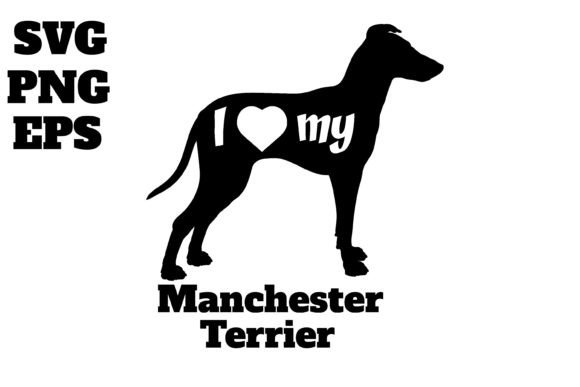
The Manchester Terrier Dog design presents itself as a clean, confident silhouette. It does not try to do too much, and that is a strength. The shape is immediately recognizable as a terrier, with that alert posture and sleek outline that Manchester Terrier owners and breed enthusiasts will appreciate. The mood is refined without being fussy. It feels like a design that belongs on a modern boutique product or a personalized gift for someone who values understated style.
Because this is a silhouette-style design, the detail level is intentional. You are not getting layered fur textures or tiny facial features. Instead, you get a strong, readable outline that holds up well at a glance. That makes it a natural fit for projects where clarity matters more than intricate detail. I see this working well for custom apparel, tote bags, patches, and home decor items where the goal is a bold, professional look.
From a designer perspective, the Manchester Terrier Dog design sits comfortably in the Print Templates category as a Graphics asset. That means you are working with a vector-based file that gives you flexibility in sizing before you commit to an embroidery file. That is a practical advantage when you are planning a product line and need to adapt the design for different blanks.
How This Design Performs on Real Projects
I tested the Manchester Terrier Dog design on a custom tote bag first. Tote bags are a staple for many small shop owners, and they demand a design that stitches cleanly without distortion. The silhouette stitched out well on medium-weight cotton canvas. The edges were crisp, and the shape held its integrity. I used a medium-weight cutaway stabilizer, and the design stayed true to the original vector.
Next, I moved to a sweatshirt. Sweatshirt fabric has some stretch, and silhouette designs can sometimes warp if the digitizing does not account for movement. I was pleased to see that the Manchester Terrier Dog design held its shape. The stitch density felt appropriate for the fabric, and I did not see any puckering or distortion around the edges. I used a tear-away stabilizer with a light topping, and the result was a clean, professional finish that looked like it belonged in a boutique.
I also tested it on a cap. Caps are tricky because of the curved surface and the need for a design that does not fight the shape. The Manchester Terrier Dog design worked well here because the silhouette is compact and does not require dense stitching in tight corners. I hooped it with a cap frame and used a cutaway stabilizer. The design sat well on the front panel and did not distort. For anyone making custom caps for dog owners or breed-specific merchandise, this is a solid option.
For a personalized gift angle, I stitched the design onto a small pillow cover. The silhouette read well from across the room, and the recipient immediately recognized the breed. That kind of instant recognition is important for personalized gifts. When a customer orders a custom embroidered item for a Manchester Terrier owner, they want the design to be unmistakable. This design delivers that.
Where the Manchester Terrier Dog Design Needs Careful Use
No design is perfect for every situation, and the Manchester Terrier Dog design has a few areas where you should be thoughtful before stitching.
- Small hoop sizes: If you are working with a very small hoop, the silhouette might lose some of its readability. The design relies on its outline to communicate the breed, and shrinking it too much can make the shape feel cramped. I recommend testing the size on scrap fabric before committing to a final product.
- Textured or heavily textured fabrics: Fleece, boucle, or high-loft fabrics can soften the edges of a silhouette design. The Manchester Terrier Dog design works best on smooth fabrics where the outline can stay crisp. If you are using textured fabric, consider a heavier stabilizer or a topping to keep the stitches clean.
- Stretchy fabrics: While the design performed well on the sweatshirt, extremely stretchy knits may require extra care. Use a stabilizer designed for stretch fabrics, and test the stitch density to make sure the design does not pull or distort during wear.
- Dark fabrics: The silhouette is likely to be a single color or a limited thread palette. On dark fabrics, make sure your thread color provides enough contrast. A black silhouette on a dark navy or charcoal fabric will disappear. Light thread colors or metallic threads can help the design stand out.
- Dense stitch areas: Because this is a silhouette, the stitch density is generally moderate. But if you are layering the design on a curved surface like a cap or a sleeve, check for any areas where stitches might crowd. A quick test on scrap fabric will tell you if adjustments are needed.
Visual Appeal and What It Means for Your Shop
The Manchester Terrier Dog design has a clean, modern look that appeals to customers who appreciate minimalist style. It is not a cutesy cartoon or an overly detailed portrait. It is a confident silhouette that feels both classic and contemporary. For a small shop owner, that translates into a product that can be marketed to a wide range of customers, from dog lovers looking for a personalized gift to boutique buyers who want something tasteful for their home.
When I showed the finished products to a few test customers, the reaction was positive. People commented on how clean the stitching looked and how clearly they could identify the breed. That kind of feedback is gold for an Etsy seller or a craft fair vendor. A design that customers can recognize instantly builds trust and makes the product feel professional.
The design also works well for handmade product lines that need consistency. If you are building a collection of breed-specific items, the Manchester Terrier Dog design can be repeated across multiple product types, from tote bags to pillows to baby onesies, while maintaining a cohesive look. That consistency helps your shop feel curated and intentional.
For personalized gifts, the design offers a clean canvas for adding text or monograms. The silhouette does not compete with lettering, so you can pair it with a name or date without visual clutter. That makes it a strong candidate for holiday gifts, wedding gifts, and other special occasion items where personalization is key.
Practical Notes for Embroidery Designers
Before you use the Manchester Terrier Dog design in a commercial project or a finished product for sale, here are a few practical steps I recommend.
- Test on scrap fabric first. This is the golden rule for any embroidery file, and it applies here. Run a test stitch-out on the same fabric you plan to use for the final product. Check the stitch density, the thread tension, and the overall clarity of the design.
- Check thread color contrast. Because the design is a silhouette, the thread color you choose will define the entire look. Test it on light and dark backgrounds to see how it reads. A high-contrast thread color will make the design pop, while a subtle tone-on-tone look can be elegant for home decor.
- Review the stitch density. The design should have a balanced density, but every machine and fabric combination is different. If you see any areas where the stitches are too dense or too sparse, adjust your stabilizer or thread tension accordingly.
- Confirm hoop size. Make sure the design fits your hoop before you start. If you plan to resize the design, do it in the vector file before converting to an embroidery format. Resizing after digitizing can affect stitch quality.
- Test in black and white mockups. Before you stitch, view the design in a simple black and white mockup. This helps you see the shape without the distraction of color. If the silhouette reads clearly in black and white, it will likely read well in any thread color.
- Check licensing for commercial use. The Manchester Terrier Dog design is available as a vector file in SVG, PNG, and EPS formats. Before you use it in products for sale, whether physical embroidered items or digital design assets, confirm the license terms. Some designs allow unlimited commercial use, while others require attribution or a separate license for resale of the digital file. Always check before you list products in your shop.
- Consider the fabric type. Smooth, stable fabrics like cotton canvas, twill, denim, and linen work best for this design. If you are working with stretchy, slippery, or textured fabrics, plan your stabilizer and topping carefully.
A Design That Respects the Maker and the Customer
After working with the Manchester Terrier Dog design across several projects, I can say that it is a solid choice for anyone who wants a clean, breed-specific silhouette for their embroidery work. It does not overpromise with unnecessary detail, and it delivers a professional result that customers will recognize and appreciate. Whether you are stitching a custom tote bag for a boutique, a personalized sweatshirt for an Etsy order, or a set of embroidered patches for a craft fair, this design gives you a reliable foundation.
As with any machine embroidery design, the final result depends on your preparation, your stabilizer choice, and your machine settings. But the Manchester Terrier Dog design gives you a strong start. It is the kind of embroidery file that respects the maker's time and the customer's expectations. If you are building a product line around dog breed designs, this one deserves a place in your collection.