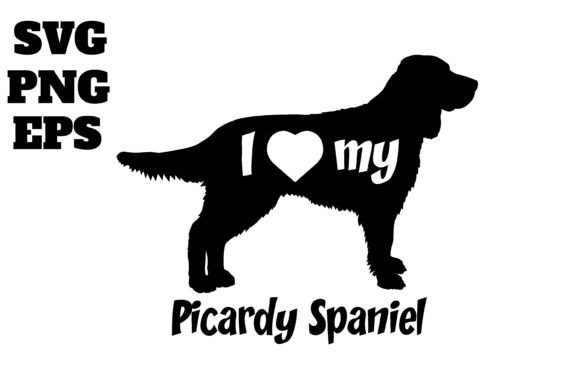
Maremma Sheepdog Dog Monogram Vector Review
When a new design crosses my desk, I don’t just look at it—I interrogate it. Will it handle a dense satin stitch without puckering? Will it survive a hot wash on a tote bag? Will it make a client smile the moment they unbox it? I pulled up the Maremma Sheepdog Dog Monogram Vector expecting a basic silhouette, but what I found was a surprisingly versatile design asset that bridges the gap between graphic template and production-ready embroidery project. As someone who digitizes and stitches for a living, I know that a pretty PNG doesn’t always mean a pretty final product. Let’s break down how this actually performs in the real world of hoops, stabilizers, and thread.
The Visual Personality of the Maremma Silhouette
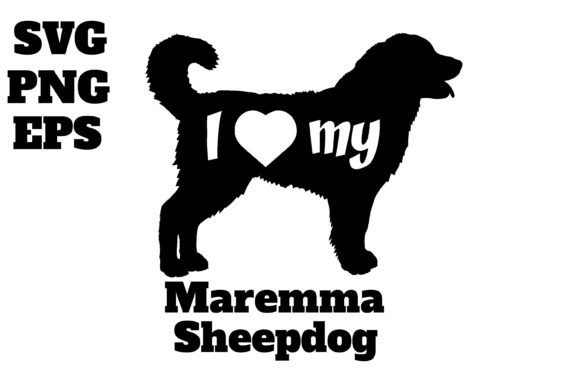
The Maremma Sheepdog is a breed that commands attention—fluffy, protective, and undeniably majestic. This vector captures that essence without getting bogged down in messy detail. The silhouette is clean and bold, focusing on the dog’s sturdy stance and thick coat. It avoids the amateur trap of excessive fur lines that would translate into a nightmare of jump stitches and thread breaks. Instead, it reads as a refined logo piece with a pastoral, rustic elegance. It feels like something you’d see on a high-end farm supply catalog or a bespoke pet boutique label. That kind of visual personality sells. Whether you’re creating a custom apparel line or a one-off personalized gift, this design immediately signals quality to your customer.
Real-World Test Drive: From SVG to Stitched Product
I decided to test this as a tote bag design for a local client who raises working Maremmas. I needed something durable, professional, and visually striking. The vector’s clean edges make it an ideal candidate for both machine embroidery design and screen-printed applique. I imported the EPS file into my digitizing software, and the closed paths were clean enough to assign a thick satin stitch border and a dense fill stitch body without hours of path editing. The stitch density felt balanced right out of the gate—premium enough to look luxurious on a structured canvas bag, but not so tight that it would cause tunneling on a sweatshirt embroidery project.
Practical note: Because this is a silhouette, thread choice is critical. I ran a test stitch in a matte black thread on natural cotton, and it popped beautifully. If you’re making baby embroidery items, consider a soft sage green or dusty blue to keep the mood gentle. The monogram component allows for deep customization, making it a strong candidate for holiday embroidery gifts and wedding presents for dog-loving couples.
Where It Shines Brightest
- Structured Apparel: This design excels on jackets, denim shirts, and hoodies. The bold silhouette stands up to the weight of these fabrics without feeling lost.
- Home Decor: It is a natural fit for embroidered patch pillows, tea towels, and nursery decor. The breed-specific nature makes it a killer item for small shop product lines targeting rural or agricultural communities.
- Business Branding: If you’re a creative entrepreneur making products for farms, kennels, or pet sitters, this vector serves as a ready-made logo template. It looks expensive and thoughtful.
Where to Tread Carefully
- Tiny Hoop Sizes: In a 4x4 hoop, the finer points of the monogram and the dog’s ear shape may become cramped. The design relies on the overall silhouette to read well. Scale it too small, and you lose the breed recognition that makes it special.
- Textured Fabrics: On high-pile fleece or thick terry towels, the clean edges of the silhouette can get fuzzy. Use a heavy cutaway stabilizer and a water-soluble topper to keep the satin stitch edges crisp.
- Curved Surfaces: If you are putting this on a cap or a curved bag flap, pay attention to how the monogram and dog shape sit together. The horizontal flow of the text may need slight digitizing adjustments to fit the arc of a hat without distortion.
Practical Designer Notes for Production
Let’s talk logistics before you load your bobbin. This product is listed under Print Templates and Graphics, which gives you incredible flexibility. You can digitize it into an embroidery file, use it for printable heat transfers, or even screen print it for items that can’t handle heavy stitching.
- Test the Scale Physically: Print the PNG at 100% size. Hold it up to the garment. Is the monogram legible from three feet away? If not, size up. This design has a good weight to it, but proper scale is key for visual impact.
- Check Thread Color Contrast: Maremmas are white dogs. Stitching white thread on a white shirt is an advanced technique. I recommend a high-contrast thread—charcoal, navy, bordeaux—to make the silhouette stand out. Run a black-and-white mockup of your digitized file to see if the shape collapses without color.
- Confirm Your Licensing: Before you start pumping out commercial embroidery orders, review the license terms for this specific vector template. Some graphics allow unlimited finished product sales, while others restrict digital usage. Know your rights before you sell your first handmade product.
- Stabilize for the Fabric: For a sturdy tote bag design, use a firm cutaway. For a soft baby embroidery onesie, use a tearaway with a light topping. The design itself is forgiving, but proper backing will ensure it stays beautiful after repeated washing.
Is It Ready for Your Shop or Studio?
In a market overflowing with generic pet vectors, the Maremma Sheepdog Dog Monogram Vector stands out for its specificity and clean execution. It respects the craft of the digitizer by providing a clean, scalable foundation that translates directly into high-value stitched goods. Whether you are a busy Etsy seller replenishing your personalized gift inventory, a handmade shop owner creating a new boutique product, or an apparel decorator fulfilling a bulk order, this design asset gives you a professional head start. It isn't just a file—it’s the blueprint for a product that feels curated and intentional.
My main advice is to treat it like a premium logo. Place it thoughtfully, stabilize it correctly, and let that majestic silhouette speak for itself. This is the kind of design that builds trust with your customers and elevates your brand’s reputation for quality. Test it on a scrap piece first, confirm your hoop size and stitch density, and then let it work its magic in your production line.