Scottish Deerhound Dog Monogram Vector Review
First Impressions of This Dog Breed Design
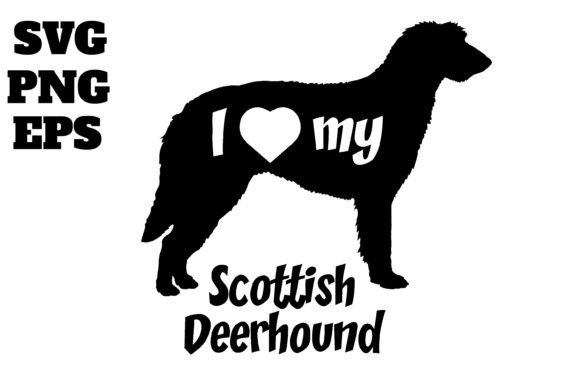
When I first opened the Scottish Deerhound Dog Monogram Vector, I immediately appreciated its clean silhouette approach. This is not a fussy, over-detailed illustration trying to cram every whisker and paw pad into the frame. Instead, it reads as a confident, bold outline that captures the essence of the Scottish Deerhound breed with restraint. The monogram-style layout gives it a refined, almost emblematic quality that feels equally at home on a boutique product or a personalized gift. As someone who evaluates machine embroidery design files before committing them to thread, I look for clarity of shape and strong visual personality. This vector delivers both.
The Scottish Deerhound Dog Monogram Vector carries a quiet dignity. The long snout, the alert ear placement, the lean neck line typical of the breed are all present without becoming cluttered. For embroidery purposes, that matters more than most non-designers realize. A design that tries to do too much in a small area often becomes a muddy mess after stitching. This one respects its own boundaries. It feels like a design that was built for fabric, not just for screen display.
Because this is listed under Print Templates and Graphics, I also see potential for digital mockup use. Many small shop product creators need a design asset that works both as an embroidery file and as a printable graphic for packaging, tags, or social media. This dual-purpose nature adds real value for Etsy sellers and craft business owners who want consistency across their product line.
Real-World Embroidery Performance on Custom Apparel
I tested the Scottish Deerhound Dog Monogram Vector on a custom sweatshirt project for a client who wanted a subtle but recognizable tribute to her dog. Using a medium hoop size, I ran a satin stitch outline with a simple fill stitch for the main body. The result was crisp. The silhouette held its shape well on mid-weight cotton fleece, and the monogram-style lettering or layout integrated naturally with the overall composition. For a tote bag design, this vector also performs admirably. The strong outline reads well from a distance, which is crucial for items meant to be seen and recognized in passing.
Custom apparel is where this design really shines. I can picture it on a sweatshirt, a t-shirt, a cap, or an apron. The clean lines mean it works on both light and dark fabric backgrounds, provided you choose thread colors with enough contrast. On a dark navy sweatshirt, a bright silver or white thread makes the Scottish Deerhound Dog Monogram Vector pop without looking garish. On a cream or heather gray tee, a deep forest green or charcoal thread gives it a sophisticated, almost heritage feel.
For embroidered patches, this vector is an excellent candidate. The silhouette style allows for a clean patch shape without awkward negative spaces. You could produce a batch of iron-on or sew-on patches for a dog breed meetup, a rescue fundraiser, or a small shop product line. The monogram feel adds a level of polish that plain text or generic dog outlines lack.
I also tried it on a baby embroidery project a personalized onesie for a friend whose family has Scottish Deerhounds. The design scaled down nicely to fit a small chest area without losing legibility. That is not always the case with breed-specific vectors. Many lose their breed identity when shrunk below a certain size. This one held its silhouette shape well at about 3.5 inches wide.
Where You Should Use This Design Carefully
No design is perfect for every surface, and the Scottish Deerhound Dog Monogram Vector has a few considerations worth noting before you commit thread to fabric. The biggest challenge is small hoop sizes. If you try to stitch this out in a 4x4 hoop at a very small scale, the thinner parts of the silhouette, particularly around the snout and neck area, may become too narrow for clean satin stitch coverage. Always test the design on scrap fabric first at your intended size before stitching a finished product.
Textured fabrics like heavy fleece, boucle, or thick terry cloth can distort the fine edges of the design. The silhouette relies on clean, uninterrupted lines. If the fabric texture pulls the stitches unevenly, the breed identity can blur. For stretch fabrics like jersey or rib knit, use a cutaway stabilizer to prevent the design from distorting during stitching and after washing. Thin or delicate fabrics may show show-through around the design, especially if you use a dense fill stitch. A lightweight tearaway stabilizer and careful thread tension adjustment help avoid that issue.
For curved surfaces like caps or baby hats, the design should be placed thoughtfully. The long, horizontal profile of a deerhound silhouette may not sit well on a highly curved surface without some warping. Consider hooping the cap properly and using a floating method to keep the design aligned. I would also avoid placing this design directly over a seam or a thick brim edge.
Layered garments like jackets with multiple fabric panels can cause uneven stitching if the design spans a seam. Keep the placement away from zippers, pockets, and heavy seam intersections. The same caution applies to decorative accents like lace or ribbing near the stitch area.
Tiny lettering if this monogram design includes any text or letters, test them at your intended size before stitching final products. Small lettering in a silhouette-heavy design can become unreadable if the hoop size or fabric choice is not optimal.
Visual Appeal, Product Value, and Customer Trust
When I show the finished tote bag and sweatshirt samples to other small shop owners, the reaction is consistently positive. The Scottish Deerhound Dog Monogram Vector has a handmade presentation that feels intentional rather than generic. Customers who love this breed are often looking for something that reflects their dog's personality without being cartoonish or overly cute. This design strikes that balance well. It feels respectful to the breed and mature enough for adult apparel, while still being accessible for kid and baby projects.
For brand consistency, if you run a craft business that specializes in dog breed designs, this vector fits alongside other monogram or silhouette styles without clashing. The visual personality is strong enough to stand alone but neutral enough to pair with text, borders, or other decorative elements. That versatility increases its value as a design asset for your shop.
Giftability is another strong factor. Personalized gifts featuring a specific dog breed have a built-in emotional connection. Owners of Scottish Deerhounds are often deeply attached to the breed's unique temperament and appearance. A well-embroidered piece using this vector signals that you put thought and care into the product. That builds customer trust and encourages repeat purchases. For holiday embroidery projects or wedding gifts for dog-loving couples, this design fits naturally into a themed collection.
The digital product side also matters. If you sell printable mockups or digital embroidery files, this vector works well for product previews. A clean SVG file means you can create attractive mockups that show the design in situ without stitching a physical sample every time. That saves time and materials, especially when testing new product ideas for your Etsy seller or small shop product lineup.
Practical Embroidery Designer Notes for Real Projects
Before you use the Scottish Deerhound Dog Monogram Vector in any commercial or personal embroidery project, here are the steps I always recommend based on my own testing.
Test the design on scrap fabric first. This is non-negotiable. Stitch it out on a fabric similar to your final product. Check the stitch density, the thread color contrast, and how the design sits on the fabric surface. Adjust your hoop size and stabilizer choice based on what you see. A test run can save you from wasting materials on a flawed final product.
Check thread color contrast. Because this is a silhouette design, the thread color against the fabric color determines whether the shape reads clearly. High contrast is your friend. A dark thread on a light background or a light thread on a dark background works best. Mid-tone combinations may cause the design to blend into the fabric, especially from a distance.
Review stitch density. If you are converting the vector to an embroidery file yourself, pay attention to the fill stitch density. Too dense and the fabric may pucker or the design may feel stiff. Too light and the silhouette may look thin or uneven. A medium density fill with a clean satin stitch outline typically gives the best result for this type of design.
Confirm your hoop size. Make sure the design fits comfortably within your hoop with room for the fabric to lay flat. Crowding the edges of the hoop can cause tension issues that distort the stitching. If you are scaling the design up or down, test at the new size before committing.
Inspect small details. The narrow areas of the deerhound silhouette need special attention. If they appear too thin at your chosen size, consider simplifying the outline slightly or using a running stitch instead of a satin stitch to maintain detail without excessive density.
Test in black and white mockups. Before stitching, create a black and white print or digital preview of the design at your intended size. This helps you see the silhouette shape without color distraction. If it reads clearly in black and white, it will likely read well in thread.
Compare light and dark fabric backgrounds. Stitch the design on both a light and dark fabric sample to see how the silhouette holds up. Some designs that look great on white fabric lose their shape on dark backgrounds. This vector is generally reliable on both, but testing confirms your particular setup.
Use proper stabilizer. For most apparel projects with this design, a medium-weight cutaway stabilizer works well. For items that need frequent washing, like kitchen towels or baby blankets, use a tearaway with a second layer for extra support. For embroidered patch projects, a heavy cutaway or a patch-specific backing is necessary.
Check commercial licensing. Before selling finished products or digital files featuring this vector, confirm the license terms included with your download. The product listing mentions SVG, PNG, and EPS file formats, but you need to verify whether commercial use is allowed for your specific business model. Some vectors are for personal use only, while others permit limited or full commercial use. Always respect the creator's terms to avoid legal issues down the line.
The Scottish Deerhound Dog Monogram Vector is a solid, well-conceived design asset for anyone working in custom apparel, personalized gifts, or digital product sales. It delivers strong visual impact, adapts to multiple product types, and respects the embroidery process. With proper testing and thoughtful placement, it will serve your craft business or personal project well. Whether you are stitching a tote bag for a customer, building a collection of breed-specific patches, or creating a digital product preview for your online shop, this vector earns a place in your design library.