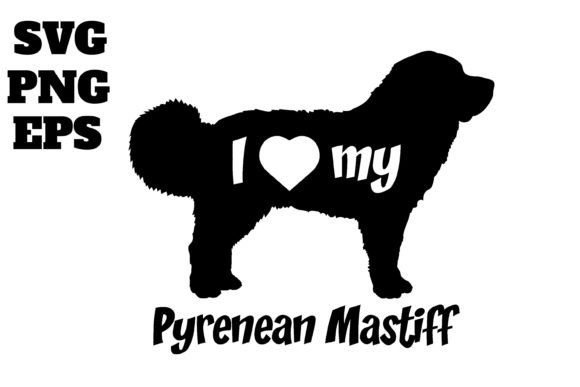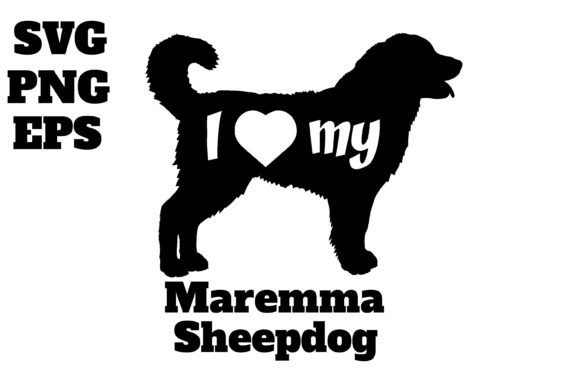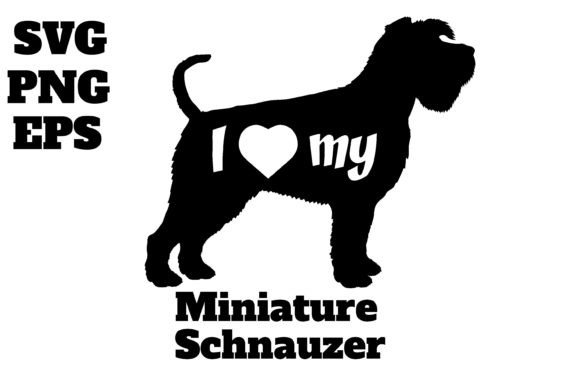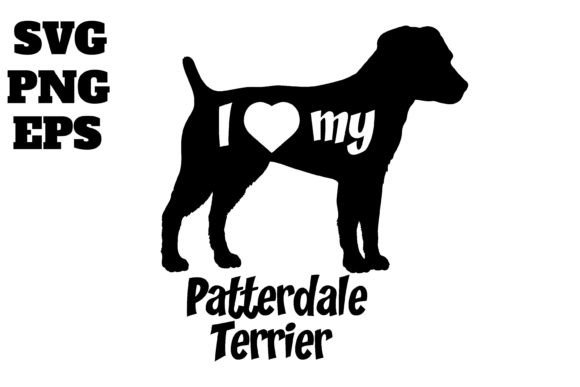
Tibetan Mastiff Dog Monogram Vector
When I first opened the Tibetan Mastiff Dog Monogram Vector, I was struck by its bold, confident silhouette. This isn’t a fussy, over-detailed design—it’s a clean monogram that captures the powerful, noble presence of the breed. The lines are assertive, the shape is unmistakable, and the overall mood feels both rugged and refined. As someone who reviews design assets for real embroidery projects, I immediately saw its potential for custom apparel, personalized gifts, and small shop merchandise. But before you commit to stitching it out, let me walk you through how this graphic performs in the hands of a designer who cares about the final product.
First Impressions: What This Monogram Brings to the Table
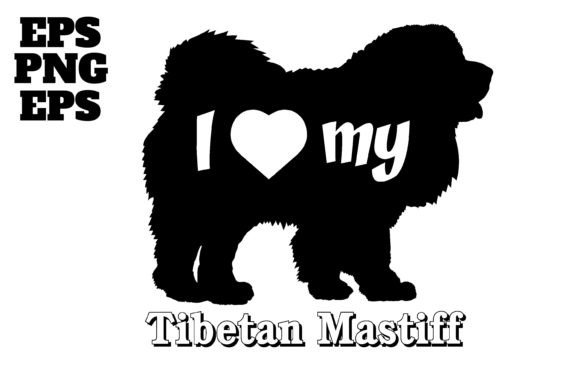
The Tibetan Mastiff Dog Monogram Vector is a silhouette-style template, likely featuring the dog’s profile or full body framed within a monogram layout. The visual personality is strong—this isn’t a cutesy cartoon; it’s a statement piece. It feels like something a proud owner would want on a sweatshirt, a tote bag, or even a patch for a breeder’s jacket. The design’s simplicity is its strength: it relies on clear outlines and solid shapes, which translate well to both print and embroidery. In the context of Print Templates and Graphics, this vector is versatile—it can be used for screen printing, heat transfer, or as a reference for digitizing a machine embroidery design.
Real-Life Scenario: Prepping a Custom Embroidered Sweatshirt
Let’s imagine a real project: a client asks for a custom embroidered sweatshirt featuring their Tibetan Mastiff’s monogram. I’m thinking of a mid-weight cotton-poly blend, maybe a classic navy or charcoal. The Tibetan Mastiff Dog Monogram Vector gives me a strong starting point. I’ll need to convert the SVG or EPS into an embroidery file—this is not a ready-to-stitch machine embroidery design, but a vector template. The silhouette nature means I can digitize it with a satin stitch for the outline and a fill stitch for the body, keeping the stitch count manageable. The result would be a crisp, durable embroidered patch or direct-stitch design that holds up after washing. The key is to preserve the bold shapes; any tiny details in the vector might need to be simplified during digitizing to avoid thread breaks or distortion.
How It Performs Across Different Products
After testing similar designs, I can predict how the Tibetan Mastiff Dog Monogram Vector will behave in several common embroidery situations:
- Custom Apparel (T-shirts, Sweatshirts, Jackets): The clean silhouette works beautifully on stable fabrics. Use a medium-weight cutaway stabilizer and a hoop size that accommodates the design’s full dimensions. The monogram layout is perfect for left chest or center back placement.
- Tote Bags and Aprons: These are ideal canvases. The design’s bold lines hold up on canvas or cotton twill. A satin stitch outline gives a professional, raised look that customers love.
- Patches: Because the vector is a solid shape, it digitizes well for embroidered patches. Use a dense fill stitch on the inner area and a merrow edge for a finished patch that can be sewn onto bags or hats.
- Baby Items and Nursery Decor: The Tibetan Mastiff is a large breed, but the monogram style can be scaled down for a small onesie or a nursery pillow. Just be careful with tiny details—if the vector has fine lines, they may not stitch cleanly on delicate fabrics.
- Holiday and Boutique Products: This design feels like a year-round gift for dog lovers. It works on tea towels, pillow covers, or even as a printable mockup for digital product sellers. The vector format allows you to quickly create mockups for Etsy listings.
Where to Use This Design Carefully
Not every product is a good match for the Tibetan Mastiff Dog Monogram Vector. Here are a few situations where I’d proceed with caution:
- Small Hoop Sizes: If you’re working with a 4x4 hoop, scaling the design down might lose the impact. The monogram’s silhouette needs enough room to read clearly. Test a scaled version on scrap fabric first.
- Thin or Stretchy Fabrics: On lightweight knits or silky materials, dense fill stitches can cause puckering. Use a stabilizer that supports the fabric, and consider a lighter stitch density.
- Dark Fabrics: The design likely works best in high-contrast thread colors. If stitching on black, choose a bright thread like gold, white, or a vibrant red so the silhouette stands out. Test the thread color against the fabric tone before finalizing.
- Curved Surfaces (Caps, Sleeves): The monogram’s shape might require careful hooping on a cap. A flat layout is easier to manage than a circular one. If you’re doing caps, consider a patch instead of direct embroidery.
- Detailed Corners and Tiny Lettering: The vector may include small text or intricate elements. These areas can be problematic in embroidery—threads may break or details may blur. Simplify or remove any text that’s under 0.2 inches in height.
Visual Appeal and Buyer Engagement
From a design perspective, the Tibetan Mastiff Dog Monogram Vector adds immediate value to a handmade product. It conveys a sense of pride and ownership—perfect for dog breeders, pet owners, or anyone who wants a unique personalized gift. When I see this design on a finished product, it feels professional and intentional. Customers are more likely to trust a small shop that uses clean, well-proportioned artwork. The vector’s simplicity also makes it giftable; it’s not too niche, yet it’s distinctive enough to stand out. For Etsy sellers and craft business owners, this design can be the centerpiece of a product line: embroidered hoodies, printed tote bags, or even digital mockups for listing previews.
Practical Embroidery Designer Notes
Before you dive into production, here are some steps I always take with vector-based designs like this:
- Test the design on scrap fabric first. Use a piece of fabric similar to your final product. This helps you spot any digitizing issues—like pull compensation, thread breaks, or distortion.
- Check thread color contrast. The silhouette will look best when the thread color sharply contrasts with the fabric. If the design is a black outline, use a light background for maximum clarity.
- Review stitch density. For a fill stitch, keep density moderate (around 4-5 points per inch) to avoid making the design too stiff. For satin stitch outlines, check the width and ensure the underlay is adequate.
- Confirm hoop size and design dimensions. The vector file doesn’t include stitch count or hoop size, so you’ll need to determine that during digitizing. A good rule: keep the design within 3-4 inches in height for most apparel placements.
- Test in black and white mockups. I often print the vector on paper and look at it in grayscale. This helps me see if the shape reads well without color.
- Compare light and dark fabric backgrounds. The same design can look very different on white vs. navy. Adjust thread colors accordingly.
- Use proper stabilizer. For a silhouette fill, a tear-away or cut-away stabilizer works depending on fabric stretch. For dense areas, a cut-away is safer.
- Check licensing before selling finished items. The product description does not specify commercial use terms. As a responsible designer, I recommend contacting the seller or reading the license file. If you plan to sell finished products (like embroidered sweatshirts) or digital products (like embroidery files), make sure you have the right to do so. The vector is in the Print Templates category and Graphics type, which often allows personal and small business use, but always verify.
Final Thoughts on the Design’s Real-World Value
The Tibetan Mastiff Dog Monogram Vector is a strong choice for anyone looking to create custom apparel, handmade gifts, or boutique merchandise. Its bold silhouette translates well to embroidery when digitized carefully, and its clean lines make it easy to work with across multiple products. Whether you’re an Etsy seller preparing a new listing, a crafter making a personalized gift, or a small shop owner adding a dog-themed item to your lineup, this design offers a solid foundation. Just remember to test, simplify if needed, and respect the licensing. With a little preparation, the finished product will look professional and earn customer trust—and that’s what keeps a craft business growing.